On the flow of money: trillion yuan of economic funds flow to the field of scientific and technological innovation.
CCTV News:The Central Economic Work Conference made it clear that in 2023, we should adhere to the principle of stability and strive for progress while maintaining stability, continue to implement a proactive fiscal policy and a prudent monetary policy, intensify macro-policy regulation and control, strengthen coordination and cooperation of various policies, and form a joint force to promote high-quality development.
To promote high-quality development, policies and funds are indispensable. Where funds flow to sufficient places, it is often where economic activities are more active. What funds are there in the market? Where did all these funds flow?
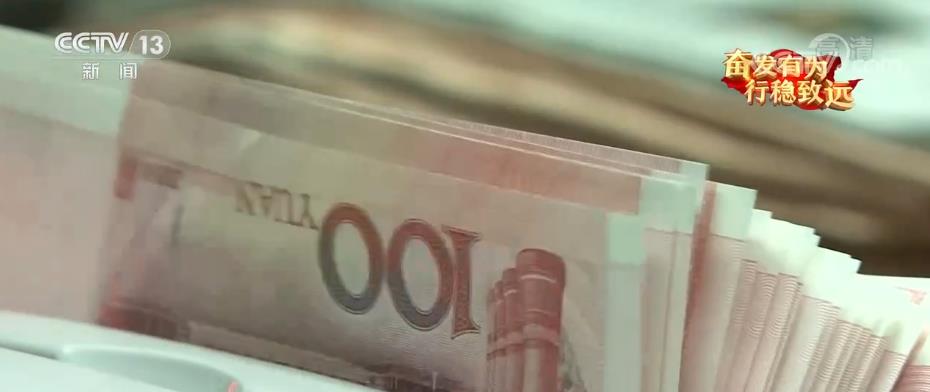
In 2022, where did the national financial funds focus? The data shows that in the first 10 months of this year, the national general public budget expenditure exceeded 20 trillion yuan, of which about 65% was invested in people’s livelihood areas such as education, social security and employment.
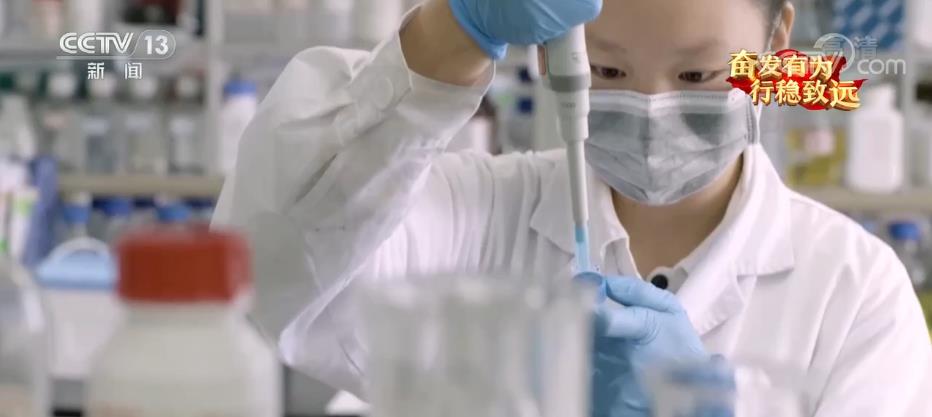
In these areas of people’s livelihood, which area of national investment has the fastest growth rate? Science and technology are definitely on the list. In the first ten months, the expenditure on science and technology exceeded 700 billion yuan, up 8.8% year-on-year, and the growth rate was second only to health. This year, the expenditure budget for basic research alone reached 123.2 billion yuan, an increase of 62.7 billion yuan over 2017, more than doubling.
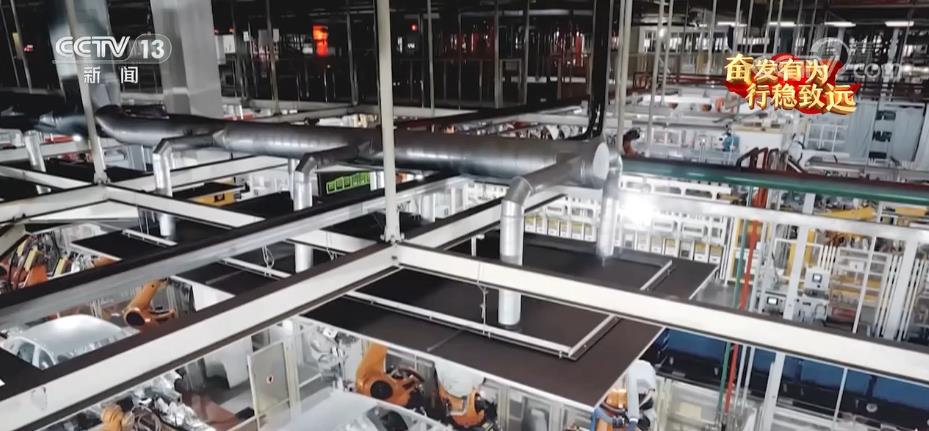
Financial strength, strong currency. In order to guide financial institutions to increase their support for scientific and technological innovation, this year, the People’s Bank of China created a second loan for scientific and technological innovation for the first time, with a scale of 200 billion yuan.
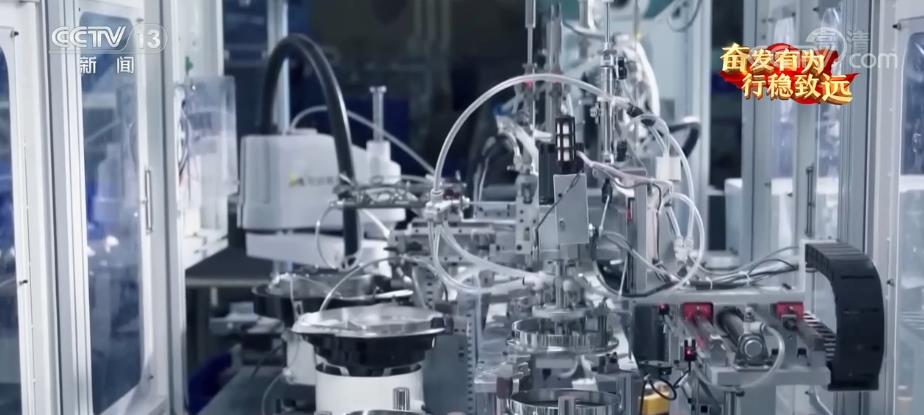
While the state supports it, market forces are also contributing to scientific and technological innovation. According to the data, from January 1st to November 30th this year, there were 248 companies listed on the Growth Enterprise Market and science and technology innovation board, and the initial raised funds approached 400 billion yuan (397.387 billion yuan), accounting for 66.7% and 81.1% of the initial listed companies in the same period respectively. The capital market has become one of the important sources of funds for science and technology enterprises.

Roughly speaking, trillion yuan of funds have flowed to the field of scientific and technological innovation. What’s the effect? According to the 2022 Global Innovation Index Report released by the World Intellectual Property Organization, China’s ranking has steadily improved for ten consecutive years, ranking 11th, up 23 places from 2012.