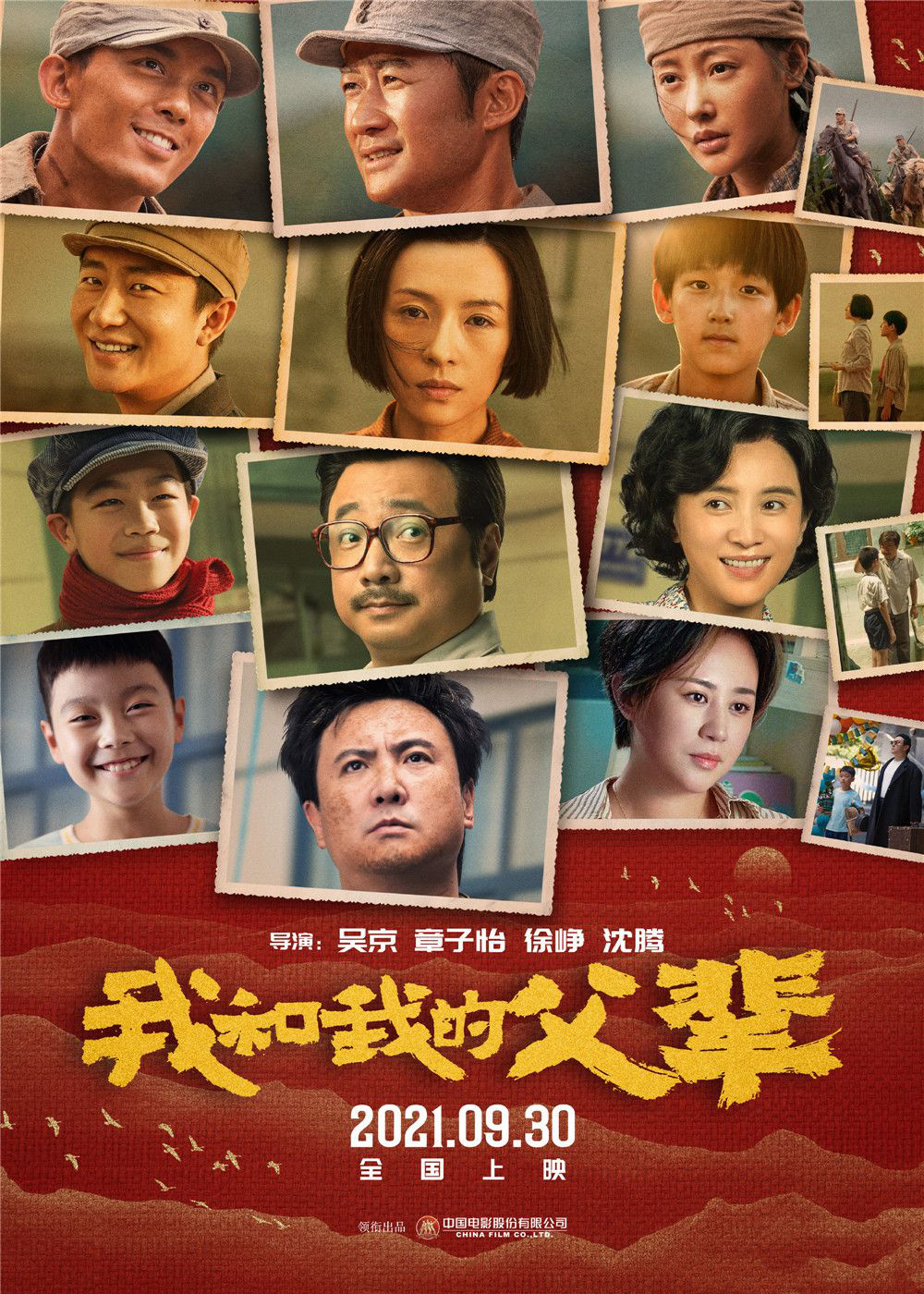
"My Father and I" hides so many touching true stories.
From My People,My Country to My People My Homeland to Me and My Father, the three series of works have a progressive theme, extending from home to individual, and the more delicate expression makes this new work easier to empathize with the audience. Of course, there are still many differences in the creative ideas of this National Day Trilogy. The "Motherland" takes the development of time as the order, and the "hometown" takes the geographical space as the axis. This time, the "Father" focuses on the love and enlightenment of parents to their children in the ordinary families in different times in the past hundred years.

My Father and I are composed of four chapters, namely, Riding the Wind directed by Jason Wu, Poems directed by Zhang Ziyi, Duck Prophet directed by Xú Zhēng, and A Young Man’s Journey directed by Shen Teng. Coincidentally, the four directors are all "acting well and directing", and they also play the leading role in their own films. They are all "self-directed and self-acted" and they are very skilled. At the same time, what Zhang Ziyi and Shen Teng brought this time is their directorial debut, which is undoubtedly very exciting. You know, without a few brushes, no one dares to join the "Me and Me" series, which has always been a box office smash. After watching the movie, I not only got the ultimate experience of joy and blood, but also was moved by the true story behind the movie.
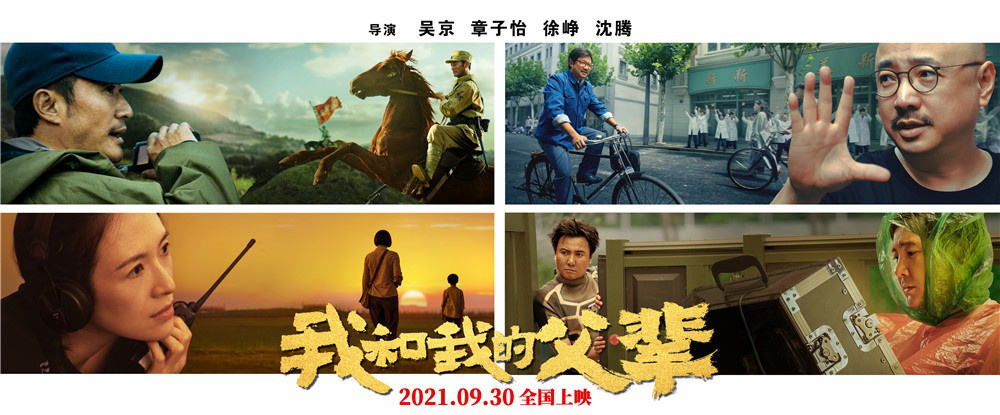
Jason Wu’s Riding the Wind: Entering Jizhong Cavalry Corps in War of Resistance against Japanese Aggression Period
Riding the Wind tells us that in War of Resistance against Japanese Aggression, there was another cavalry regiment that frightened the enemy-Jizhong Cavalry Corps, and Ma Renxing, played by Jason Wu, was the head of the cavalry regiment at that time. At that time, the cavalry regiment was interspersed between Pinghan railway lines, taking long-distance raids, detours and other tactics to attack the enemy, and also taking into account the tasks of transporting materials, escorting leading organs to cross the enemy blockade and helping the masses to produce. At the peak of the whole regiment’s firepower, there were more than 1,200 people, 1,300 war horses, more than 700 Czech rifles and janjawids, 20 light machine guns and 2 mortars. The fighting capacity was so strong that the enemy was terrified. As shown in the movie, at every critical moment, the cavalry regiment would use sabre to cut a way out to cover the transfer of organs and the masses. In the hearts of the people in the base areas, the Jizhong cavalry regiment was a banner of victory.
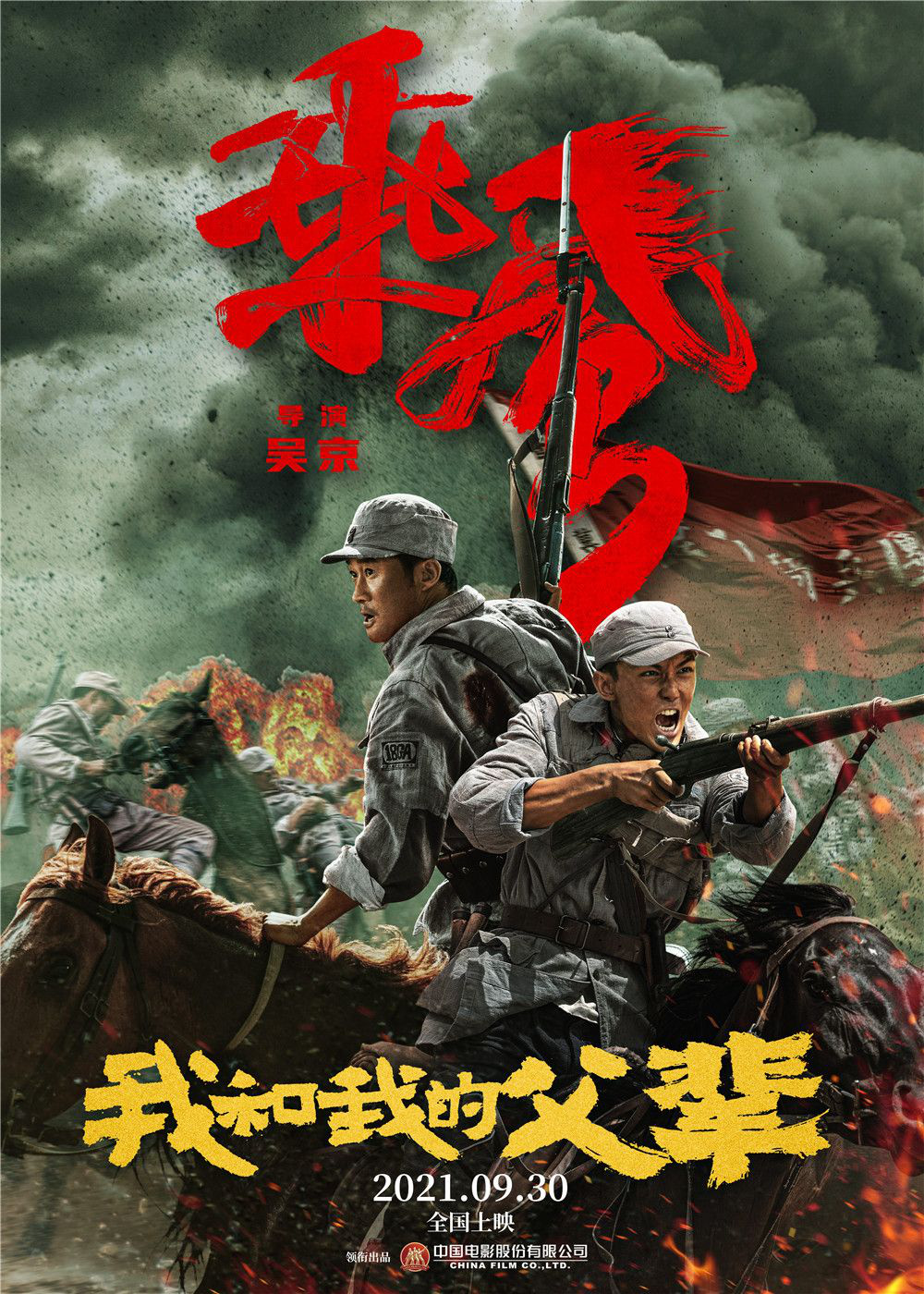
At the beginning of the film, a group of fellow villagers are grabbing food. After the enemy planes pass by, they put on their horses and filed out of the dense corn fields, becoming warriors to annihilate the enemy. This scene has a strong audio-visual shock, whether it is a cool cavalry team or passionate music, it is too exciting. The dense fields they want to protect are in sharp contrast with the Japanese invaders who came to invade, and a patriotic enthusiasm and patriotic pride came into being. This scene really made Zhan Taifeng understand the strong national cohesion and sense of justice that was sung in the song "The wind is roaring, the horse is barking, and the Yellow River is roaring". In the story, Jason Wu brought us the most burning horse battle in domestic movies.
Zhang Ziyi’s Poems: Exploring the "Two Bombs and One Satellite" Base in the Gobi Desert
As the only female director in Me and My Father, The Poem brought by Zhang Ziyi has a more touching expression of warmth, but what it conveys under the warmth is hard-core dedication. The story of "Poetry" took place in the early days of the founding of the People’s Republic of China, focusing on the hard work of astronauts in the Gobi desert. However, this time, the perspective is quite a bit "sword-leaning", which conveys the selfless dedication of a generation of space researchers from the perspective of women and children.
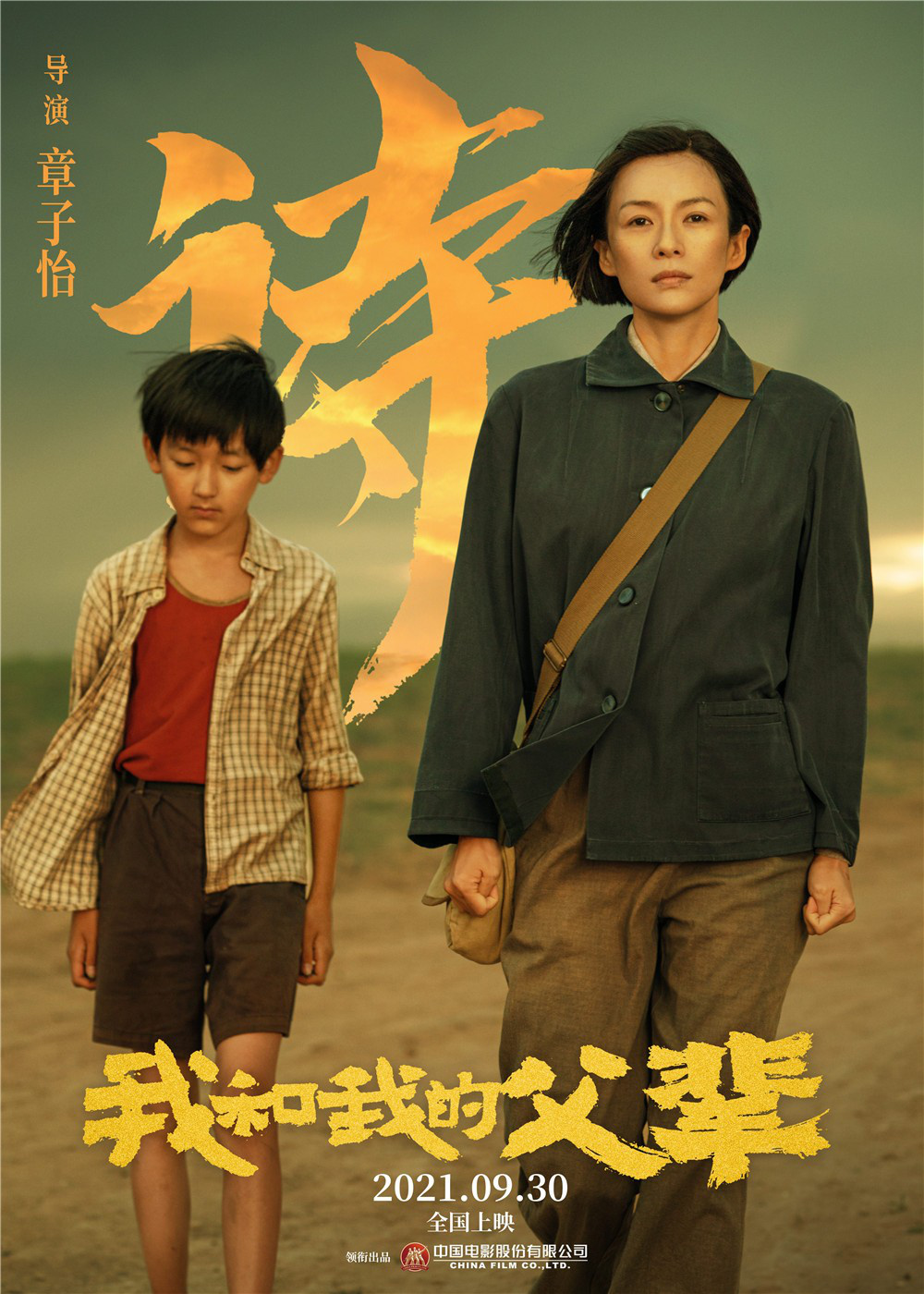
The seemingly gentle story gradually brings a series of emotional conflicts: reorganized families, adopted children, accidents, and white lies about "father’s poems" … The most common plot often contains the most touching energy, which is the most tearful chapter in the whole film. Zhang Ziyi, who appeared without makeup, restored the love between her parents at that time to the greatest extent with her superb acting skills, which also showed us.
Xú Zhēng’s Duck Prophet: Revealing the shooting of China’s first TV advertisement.
Xú Zhēng is regarded as the "elder statesman of the Three Dynasties" in the National Day Trilogy. From the first film to the present, he is the only director and starring in the creation of every film, from Leap in that year to The Last Lesson in that year, and now to Duck Prophet. More interestingly, this is the fourth collaboration between him and child star Han Haolin, because Han Haolin has made a guest appearance in Lost in Russia besides the National Day trilogy, but it is not easy for them to become the father and son in the story for the first time until the Duck Prophet.
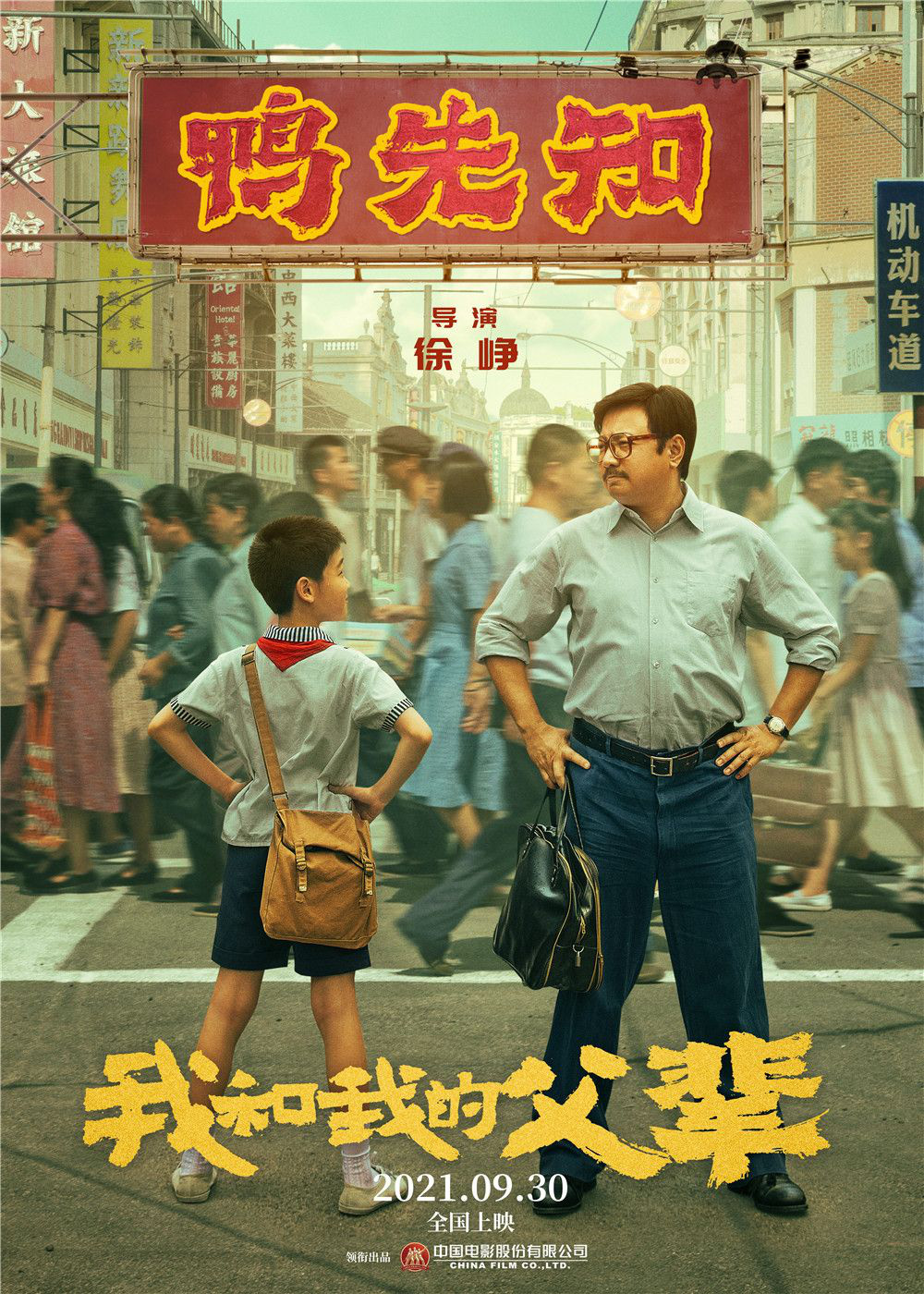
The story of Duck Prophet tells the shooting experience of the first TV advertisement in China. The story happened in the early stage of reform and opening up, and everything is new. But this chapter praises not only the people who contributed to the birth of this advertisement, but also all the trendsetters who dare to think and act. This is an innovative consciousness and fighting spirit that is not afraid of challenges and forge ahead.
Shen Teng’s "Youth Travel": Linking the Time and Space Travel between the Present and the Future
Compared with the traditional narrative of the first three stories, Shen Teng, the first director, feels a little "the sword is on the side of the front". Although he brought a typical Mahua FunAge-style comedy style, he has more moving power after integrating the stories of science fiction and parent-child feelings. Although this story begins with Shen Teng’s bionic man breaking into the lives of primary school students, it ends with him returning to his starting point-in 2050, he was supposed to cross into the future, but he accidentally returned to the past. Although this was not a successful task, it linked the kinship between the bionic man and the scientist who created him, and told the audience by the story that the most important thing in family education is to support children’s dreams and accompany their growth.
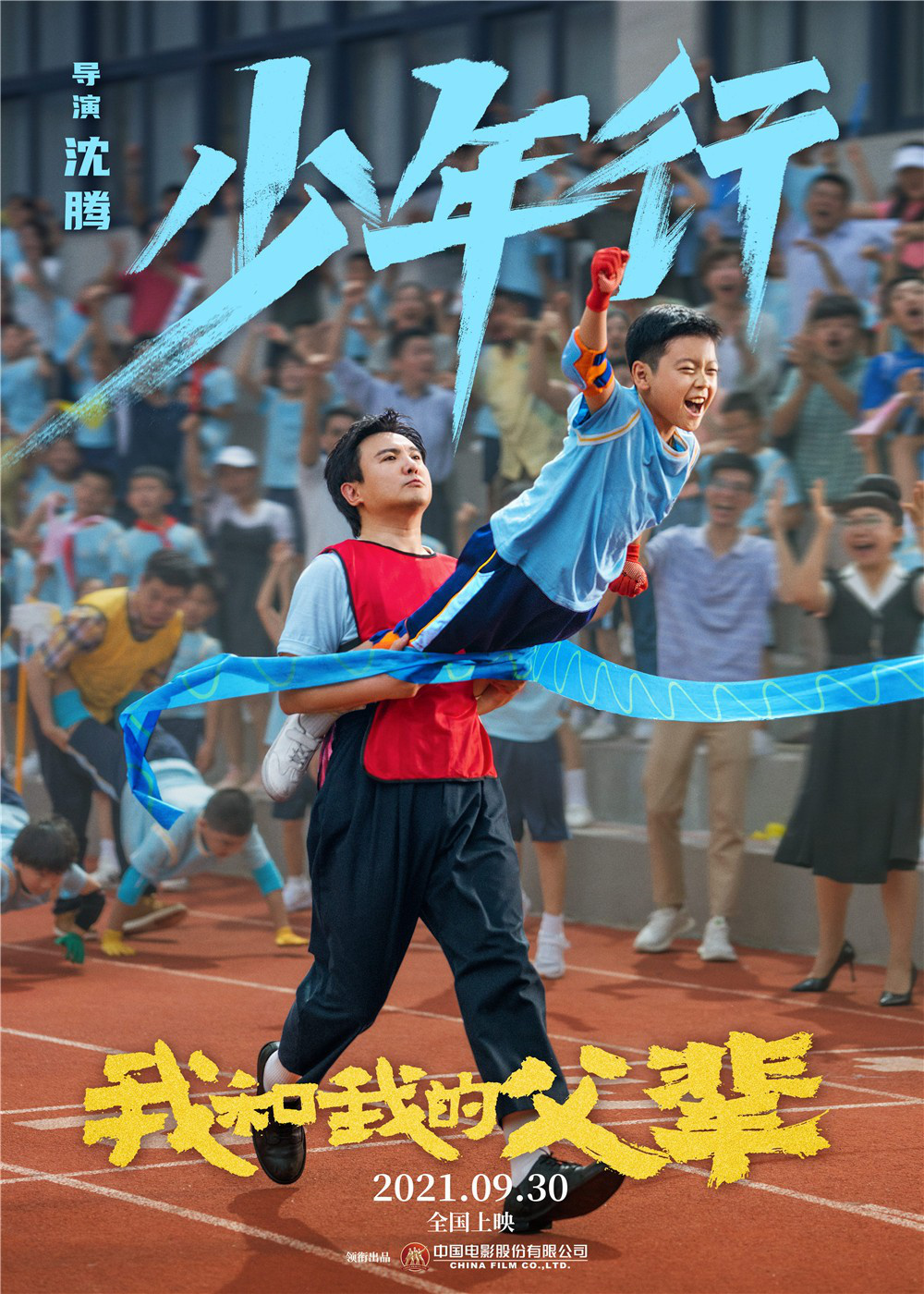
Aside from each director’s grasp of the characteristics of the times and the emotional analysis, looking back at these four chapters, each story also tells us a lot of things that we didn’t know before, which is the historical value added by the film in addition to its audio-visual appeal and story influence: the four stories took place in the years, from War of Resistance against Japanese Aggression period to the present era, capturing several nodes of the creation, establishment and development of the new China. The four stories are narrated around the four key words of "sacrifice", "dedication", "innovation" and "dream" respectively, and let us feel from point to point that today’s life is hard-won. The four stories are independent and organically combined, with a strong lineup, wonderful plot, sincere feelings and tears in Qi Fei, which is the most worth watching in this National Day file.