Wang Baoqiang returned to Shaolin and The Reunions cried. Don’t underestimate them!
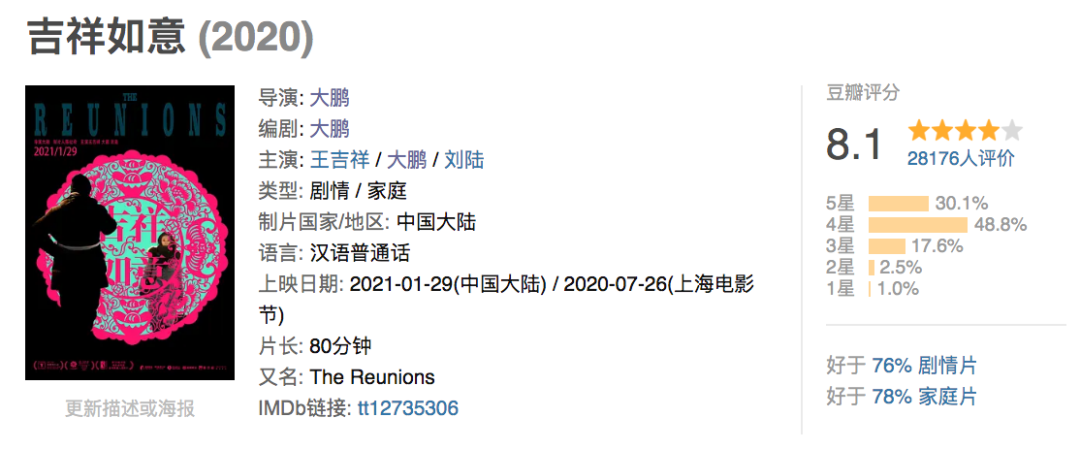
Special feature of 1905 film network "The real power cannot be described in words."After seeing the new film directed, the director gave a high evaluation.
On Douban, 27,000 people also scored 8.1 points. This realistic theme work, full of experimental temperament, without losing sincere feelings, has refreshed many people’s cognition of Dapeng, the "comedian".
Dapeng himself said: "This is not a movie that meets everyone’s expectations for me. But my expectation for myself is to keep trying to shoot new things. "
Indeed, from The Reunions to unreleased crime films, Dapeng’s road to transformation or breakthrough has already appeared a few years ago.
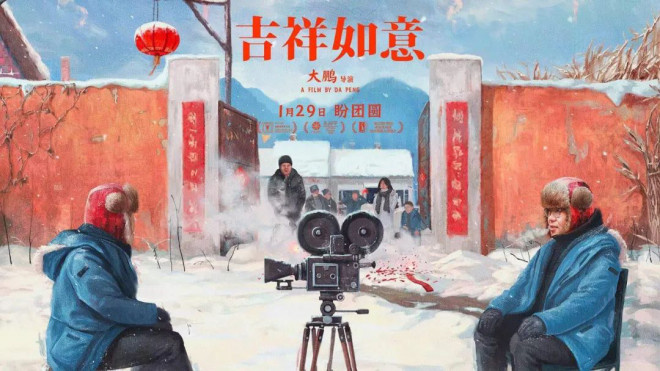
Coincidentally, the acting performance in the film broke out with great admiration, winning the Golden Rooster Award and Hundred Flowers Award nomination in succession; Using Wu Xiaomi in the classroom, people have seen the contrast acting skills that don’t make people laugh and make people cry;
I also used a part of the announcement to go online on the New Year’s Day to return to the initial heart of Shaolin Kung Fu. Needless to say, the sketch actor was born but won the "film emperor" in succession, and there was something to play.
Actors say it’s hard to play comedy, but comedians are showing their infinite possibilities outside comedy with one work after another.
Underrated "acting"
"Comedy is more difficult to perform than drama, but it is almost impossible for comedians to win awards. This is a strange circle." Bo Huang sighed after winning the Best Actor at the Shanghai International Film Festival.
Indeed, comedians’ acting skills are often underestimated. It is often only in their performances other than comedies that the audience suddenly realizes the highlights of those acting skills hidden under the gag.
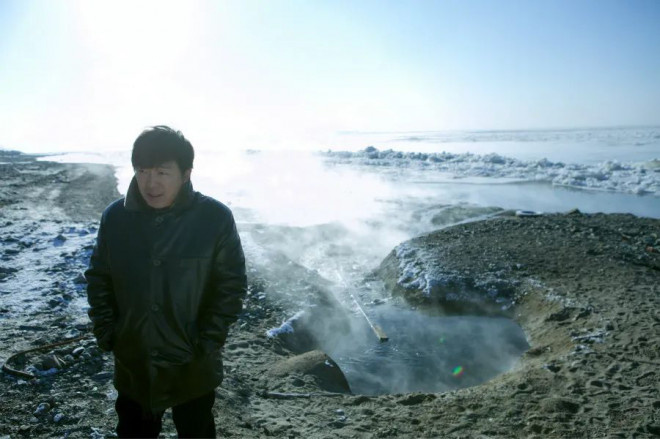
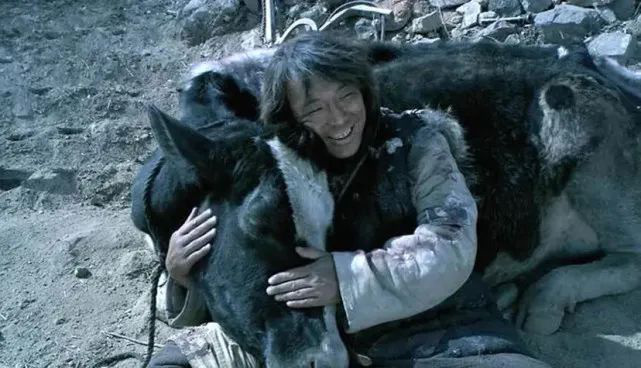
Before "Under the Ice", Bo Huang won the first "Best Actor" trophy with the help of Guan Hu. In it, he plays the down-and-out farmer Niu Er, who lived alone with a cow in a cruel war. This is basically a one-man show by Bo Huang.
In order to get close to the characters, Bo Huang spent dozens of days in the cowshed to cultivate a tacit understanding with the cows before shooting; In order to let the cow lick his face, put sweet potato juice on his face; Running back and forth on the mountain road every day, worn out 38 pairs of cotton shoes.
Someone praised: "Bo Huang contributed acting skills comparable to those in Survival in the Wilderness in Bullfighting."
Bo Huang’s "high light" and the father who has been looking for in the movie.
He said that the difficulty of this role lies in the different levels and States of the performance of "three years of hard work" So, we saw the extreme despair and helplessness when we were cheated, and also saw the sadness and helplessness when we faced our son’s "strangers". The role of Tian Wenjun also has a full radian.
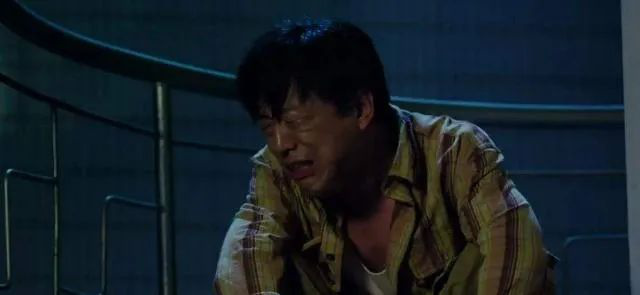
Contribute to the contrast acting in the drama, and interpret the little people to the point, so does Fan Wei.
On the sketch stage, he may be an unlucky cook with a big head and a thick neck, but on the big screen, he has created one after another, ordinary and touching people at the bottom.
They are Lao Du whose cowardice and forbearance finally broke out in "Car Watchers in July"; Wang Kangmei, a retired worker abandoned by society, is also the "worst" model worker Lao Cui in the school.
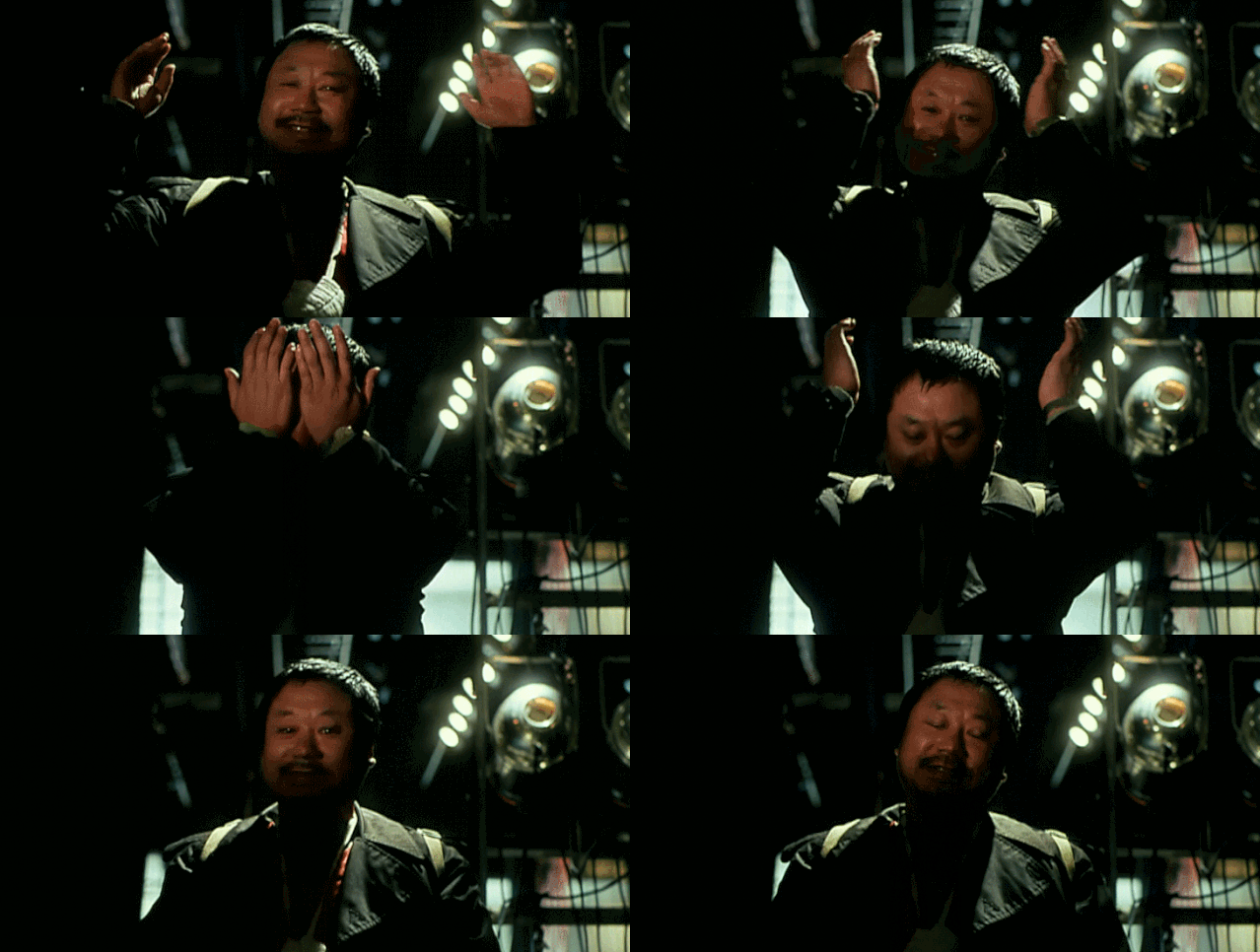
Fan Wei in Blessed Ears.
In the movie, Mr. Tang, played by Fan Wei, witnessed his daughter being killed by the Japanese army. The explosive force of the moment tore his heart, and Fan Wei’s hands were patted on the iron bolt of the window over and over again, bloody but unaware.
No wonder the director praised him: "Good comedians can often become great artists, and Fan Wei is one of them."
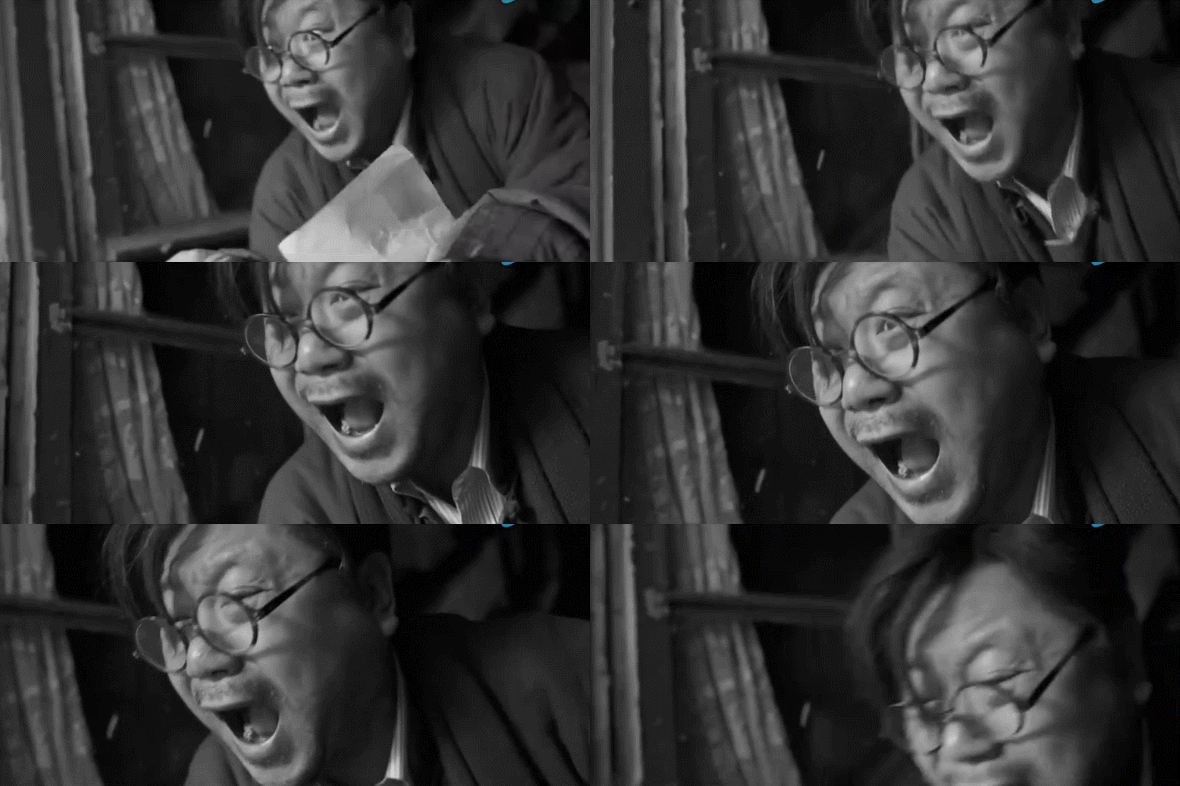
If, Fan Wei in "Nanjing! Nanjing! The performance in ""relies on explosive power, which shows a more advanced "proper limit".
With his subtle design of gestures and words, he made the image of a farmer who was well-balanced and had ulterior motives leap onto the screen. This role also made Fan Wei gain the recognition of heavy awards such as Best Actor in Beijing International Film Festival.
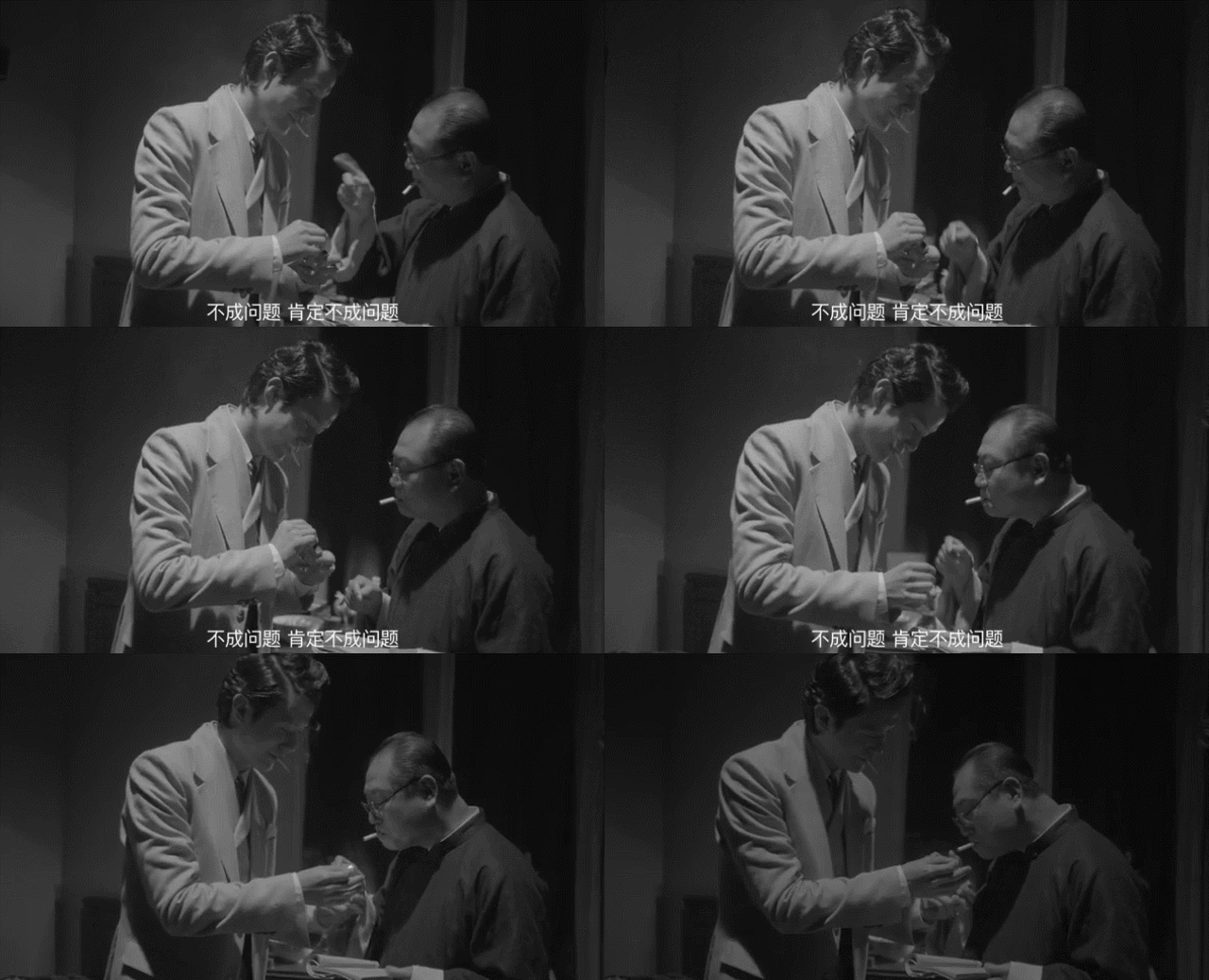
Bo Huang and Fan Wei’s superb acting skills in the drama are more due to their strength, while Shawn’s performance in Sheep Without A Shepherd is really impressive.
Before Sheep Without A Shepherd, the audience’s impression of Shawn was still "old boys" brainwashed by Divine Comedy or Kuntai, the police chief who made a fool of himself in Tang Tan.
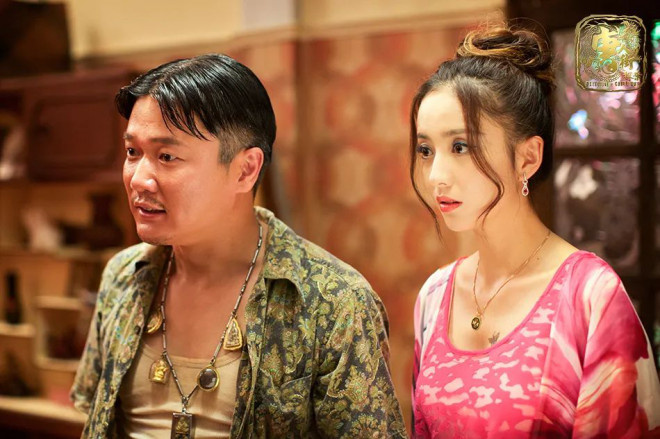
But in the suspense film Sheep Without A Shepherd, he becomes a father who loves his family.
At the end, Li Weijie was taken away by the prison car, and the scene of saying goodbye to his family was particularly moving. Shawn didn’t choose to cry for granted, but went deep into the hearts of the characters and observed the complicated but subtle emotions. "It’s complicated to just be emotional. He wants to cry and smile, and then he collapses." Shawn carefully read.
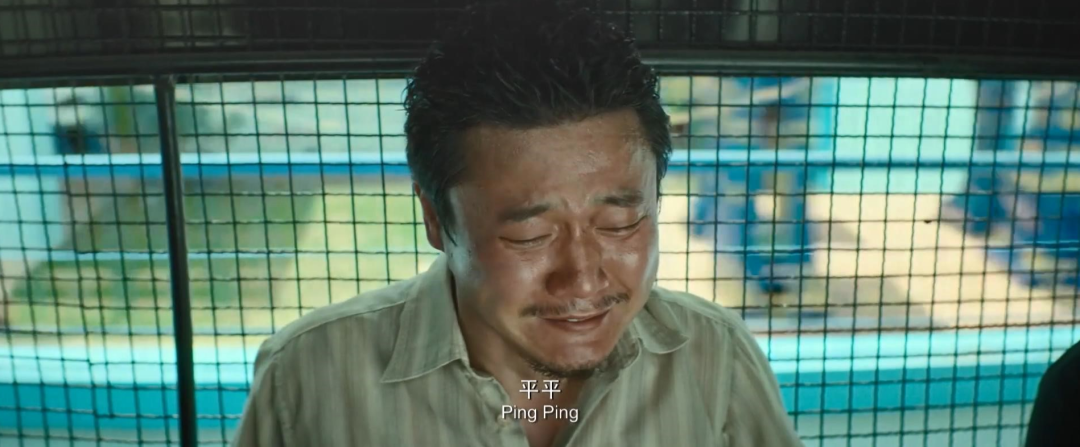
The role of Li Weijie is full of challenges, but it seems to be tailor-made for Shawn. It has both philistinism and cunning of ordinary citizens, sincerity and kindness, and hidden but great fatherly love.
When it comes to the contrast between styles and types of works, Wang Baoqiang has more say than Shawn. He himself once ridiculed that he was not a comedy, but a literary film.
Indeed, the first few big-screen works starring Wang Baoqiang are non-comedy works, and there are also many award-winning literary masterpieces. All kinds of peasant images he interpreted in it are vivid.
Wang Baoqiang’s artistic films, which are co-produced, have been regarded as "deities" by countless fans.
Mr. Shu, who is simple, kind and useless, walks between reality and surrealism, between sobriety and madness, full of tragic tension of fatalism. The acting is natural and amazing.
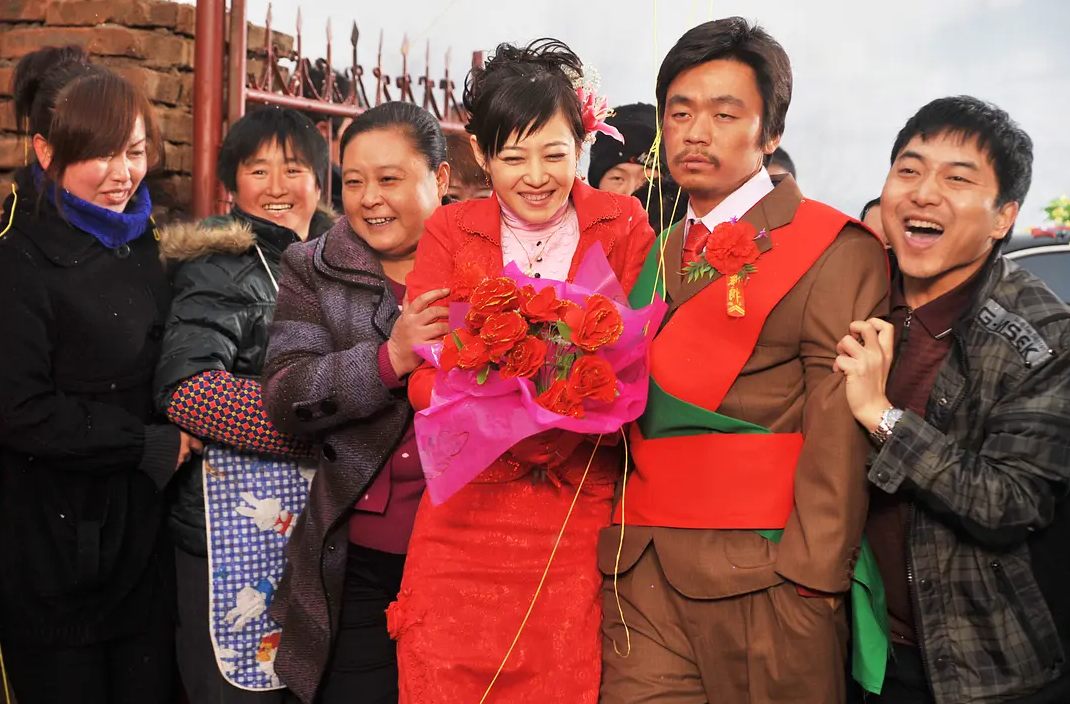
Some people say that Wang Baoqiang’s "acting" just moved the original ecological state to the screen. As everyone knows, this is his most precious wealth as an actor. Bo Huang once admitted that he was so vivid as a nobody because he was "close to life".
This is what this group of comedians have in common. They may be ugly, but their rich life experience and meticulous observation of life have given them rich nutrients to shape their roles, and also made these little people so smart and full, real and moving.
Not easy "transformation"
Before filming, I asked Fan Wei: "What is the biggest obstacle to acting as a sketch actor?"
Answer: "Prejudice."
"Growing up at the audience’s jokes" is a great fortune for comedians, but it is often an obstacle on the road to "transformation".
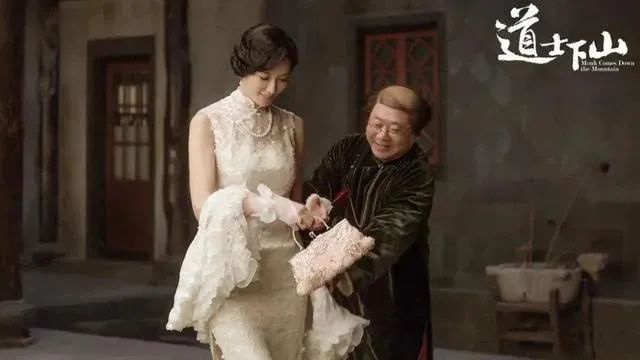
This is the case in Yun-peng Yue. Whether through comic dialogues or emoticons, the image of "Little PINKRAY " has long been a lingering label on him, which also makes the road to the big screen particularly bumpy.
Before Little Red Flower, not counting guest appearances, Yun-peng Yue appeared in more than 10 comedies, but none of them passed the grade embarrassedly. The flamboyant acting skills and the way of shaking the burden in a short paragraph have become the focus of netizens’ spit.


However, in Little Red Flower, we see a different Yun-peng Yue. Although it is still green, it is more touching to behave, laugh and cry from the characters.
Rarely, the audience forgot little PINKRAY , but remembered Wu Xiaomei.
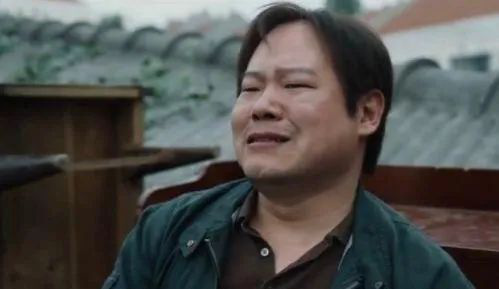
Just as countless people were poked in the park with a "swallow", Yun-peng Yue said: "If you are distracted and attentive, the audience can feel it. The audience can see whether you are playing or not."
Without formal education, you can’t tell the grand truth, but if you know the truth of "mind-wandering", Yun-peng Yue’s film road will be wider and wider.
"Do you want to transform?" It is also the most common topic that Dapeng faces in interviews.
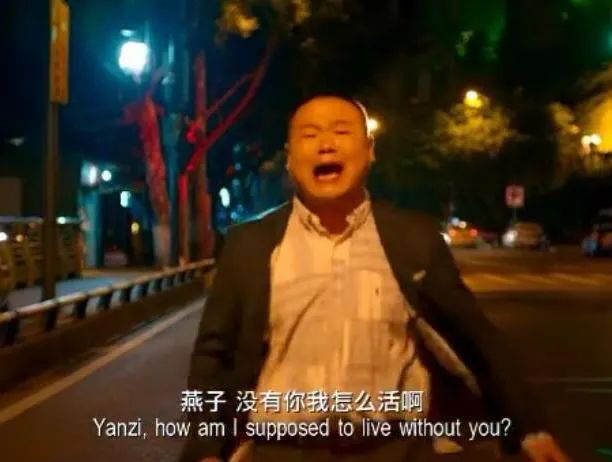
From "diors man" to "Big Screen", Dapeng completed the transition from small screen to big screen. In the selection of recent works, it is not difficult to see his "ambition" outside comedy.
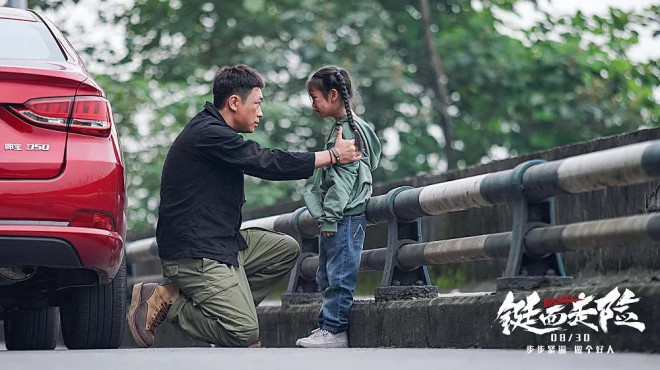
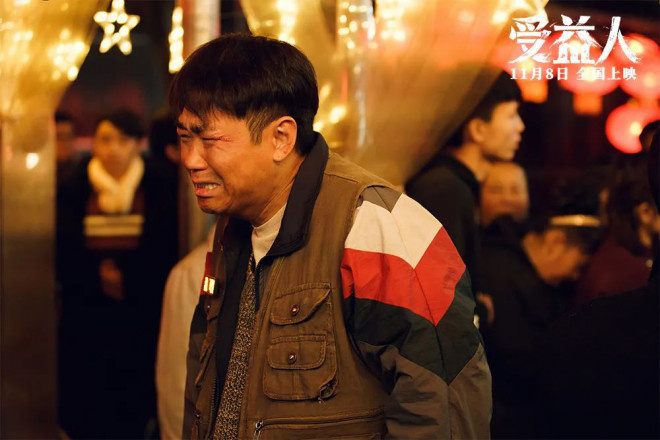
For the first time, Dapeng challenged the action scene of boxing to meat; Wu Hai in The Beneficiary made him nominated for the Golden Rooster Award for Best Actor.
Dapeng said frankly that the choice of Beneficiary is based on the strong life flavor and realistic background of the script. In order to show Wu Hai’s simplicity and simplicity, Dapeng put his image behind him and designed a "Wu Hai Face" with a dusty face and a pout.
He not only learned Chongqing dialect word for word, but also walked around the streets of Chongqing in Wu Hai’s costume whenever he was free. No one recognized him as Dapeng, and he quietly absorbed the fireworks from life.
From Dapeng’s film list, it is not difficult to see that whether it is the director’s literary film, the criminal type "The Eighth Suspect" and "Double Detective", or the popular "Warm Holiday", the little guy with enough grounding gas will become the focus of his efforts.
If we say that the above films are Dapeng’s "ambitions" in actors, then this The Reunions is his breakthrough in directing.
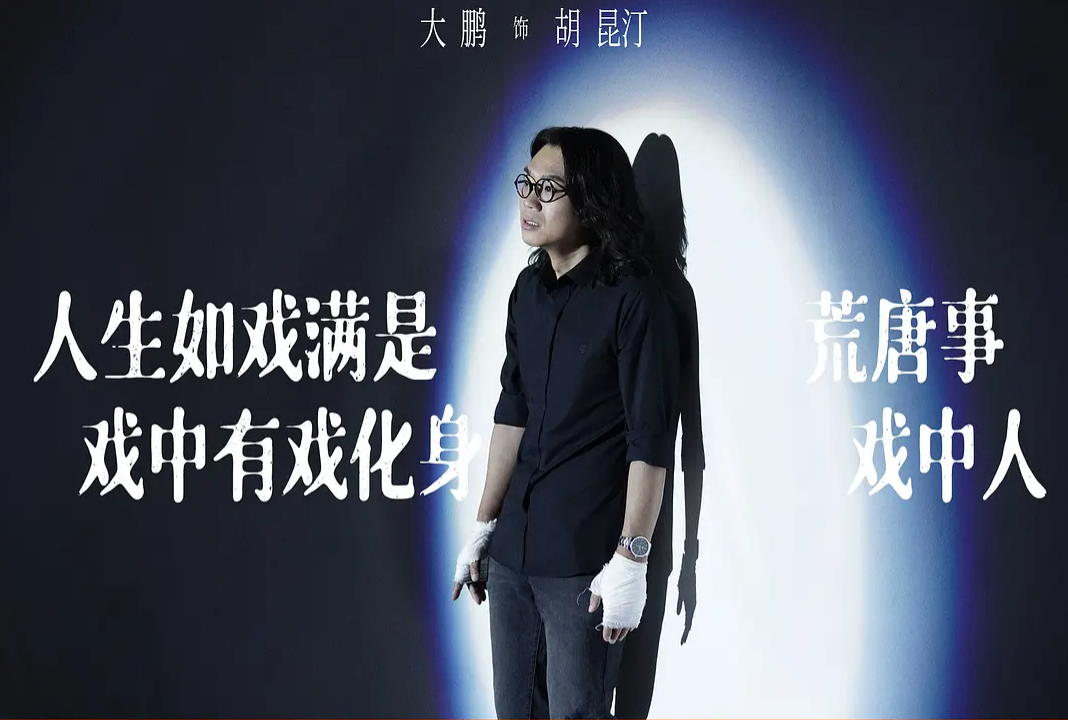
In form, the film explores the boundary between drama and documentary, and in narrative, it really hurts China’s family. Guan Hu’s comment of "de-marketization" seems to be responding to the doubts of "playing with tickets" and "being clever" lingering in previous works for Dapeng. This is also the most important significance of The Reunions to Dapeng.
When it comes to transformation, Dapeng doesn’t want to use the word "ambition". He prefers to keep trying new creations at the pace of his heart, rather than proving anything. "That would be too purposeful."
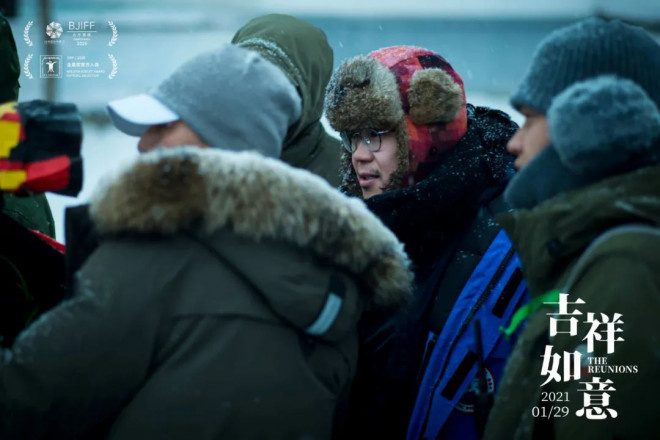
Like other actors, comedians are most afraid of being "stereotyped", but it is often not the comedy type that frames them, but the limitation of self-ability. As I said, I never thought about "transformation", "because I don’t think I have ever acted as a comedy, we just played one character after another."
Bo Huang also said: "No matter comedy or tragedy, they are all performances, and we must do our part as an actor." Starting from the role and concentrating on polishing every character is the real highlight moment of the actor.