Corfu Craxr RGB memory evaluation: high-frequency e-sports memory bar, ring RGB light bar design
KLEVV Kefu, I believe that friends who often watch LOL competitions should be familiar with this brand. It is not only the official sponsor of the 2021 LCK, but also the sponsor of the T1 team where the big devil Faker is located for many years; Referring to science and taxmemoryA product, we have previously evaluated Kefu’s BOLT XR memory, and its Hynix DJR particle overclocking potential is huge and impressive.
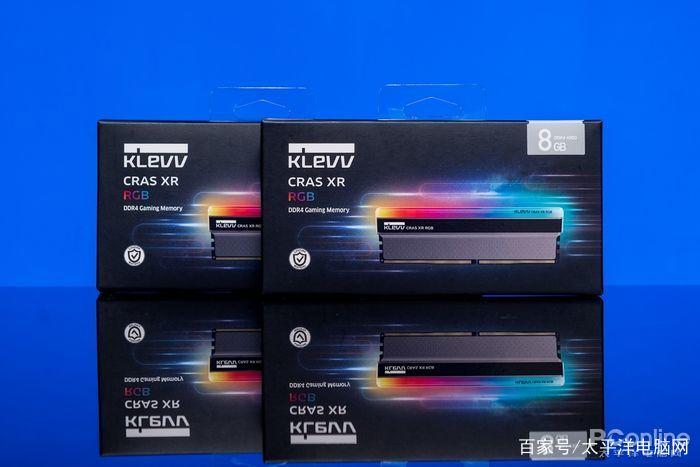
For some players who pursue the value of the chassis, the memory should not only have strong performance, but also look good. Therefore, Kefu introduced Craxr RGB memory, which provides a new choice for players who like to play with lights and pursue memory performance.
Today, this Corfu Craxr RGB memory came to PConline evaluation room, so how did it perform? Let’s take a look at it next.
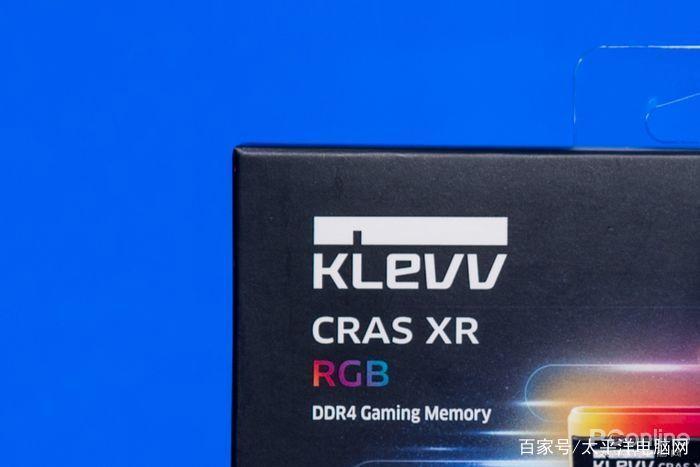
We received two 8GB versions of Craxr RGB memory sticks, with the frequency of DDR4-4000 and the memory sequence of CL19. In addition, there are versions of DDR4-3600 CL18 and DDR4-4266 CL19, and the capacity can be selected from a single 8GB/16GB and 16GB/32GB set, so the frequency and capacity options are relatively rich.
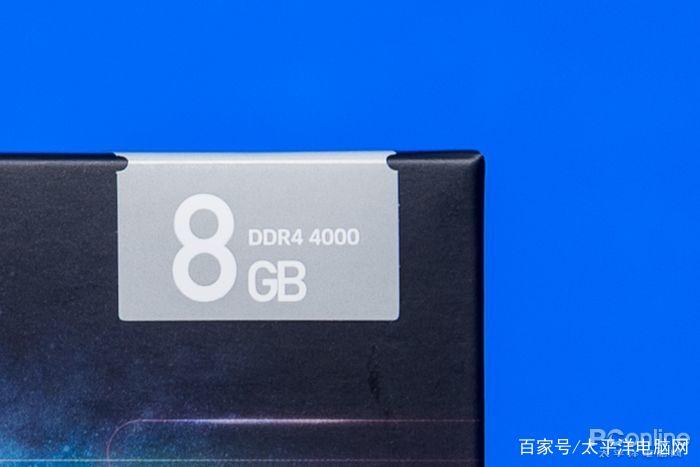
The packaging box is designed in dark black, and the colorful RGB logo and light bar effect diagram on the front highlight the gorgeous RGB lighting effect of the product. The logo of lifetime warranty is in the lower left corner, and the capacity and frequency of the product are indicated in the upper right corner.
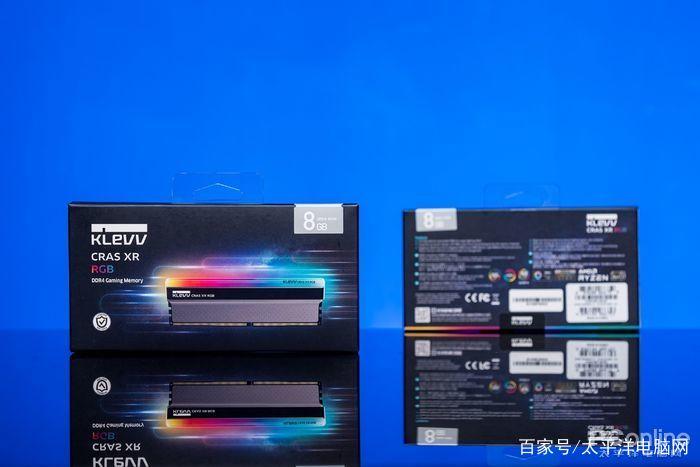
On the back of the product, the characteristics of the memory are introduced: firstly, the memory is manufactured by strict technology, and secondly, it supports the RGB synchronous lighting effects of many mainstream manufacturers, including Razer, Asus, Gigabyte, MSI and Huaqing. You can set the overall RGB lighting effect synchronization through the lighting effect software of these manufacturers.
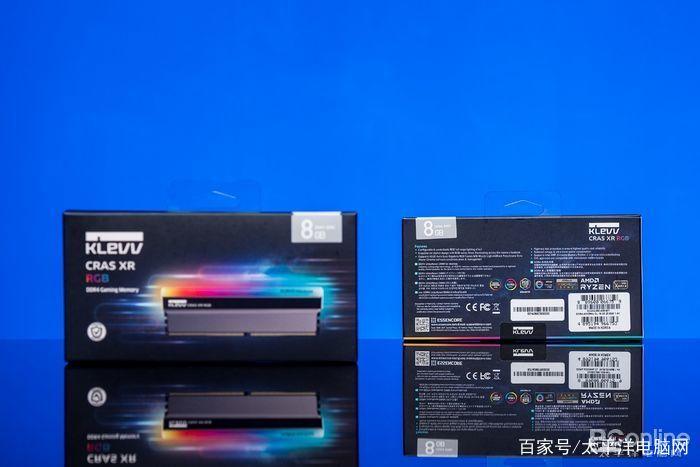
In addition, the back is also marked withIntel XMP andAMDThe logo of indicates that this memory is compatible with Intel and AMD platforms.
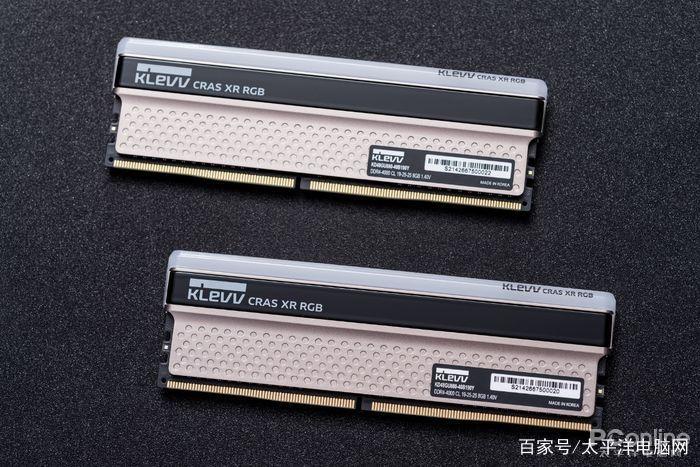
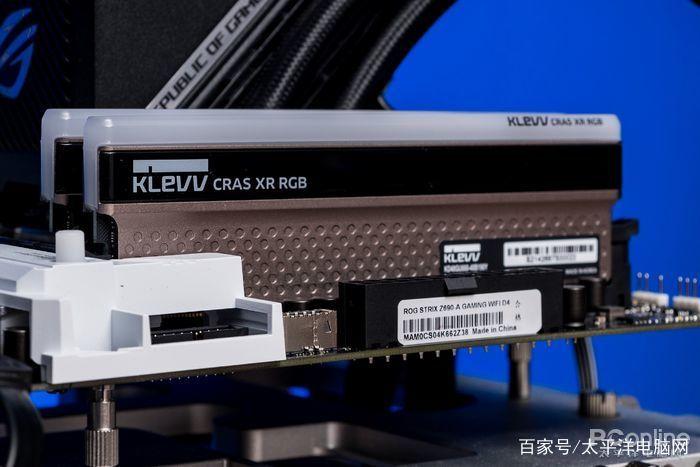
As soon as the memory is in hand, you can see that the work of the vest is still relatively good. The vest body is made of aluminum with good thermal conductivity, and the rich color matching adds a touch of exquisite feeling to the appearance of this memory stick.
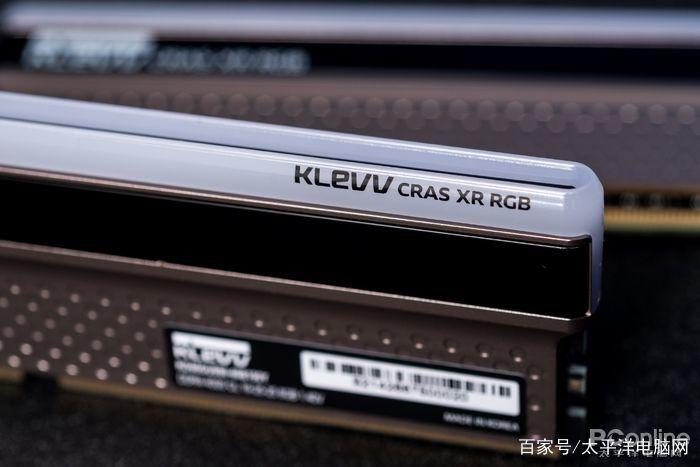
Above the memory is a circle of RGB light guide bars, and on the right there is the model identification of the memory. The light guide bars are designed in a corner-free ring shape, so you can easily see the lighting effect of RGB whether you look up or down.
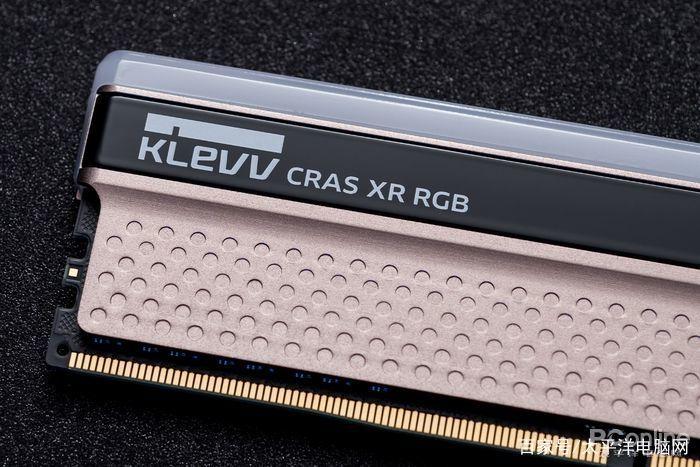
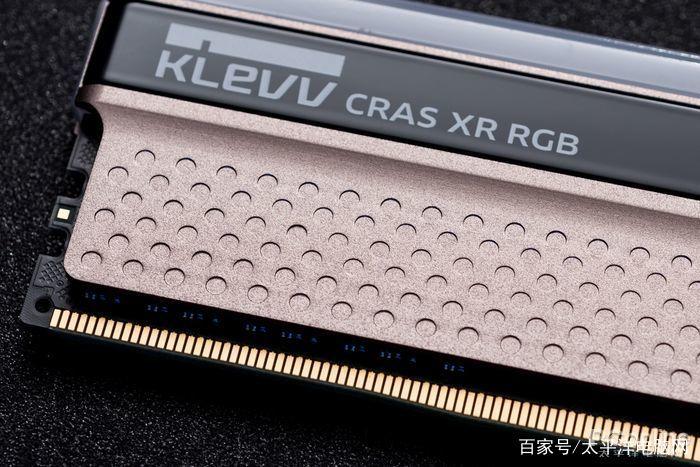
Below the light guide bar is a decorative bar with bright design, with the Logo and model of Kefu on it, which makes the exterior look more quality.
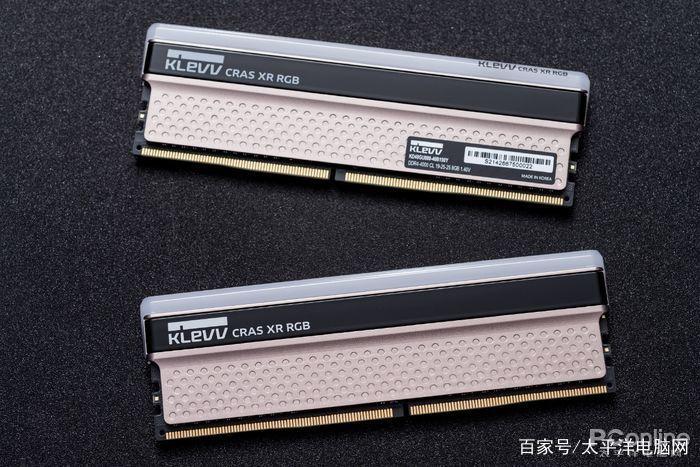
At the same time, the vest is frosted, so it is not easy to produce fingerprints when fingers touch the vest. The vest also has many concave dots, on the one hand, for decoration, on the other hand, it can increase the heat dissipation area of the vest to a certain extent and improve the heat dissipation efficiency.
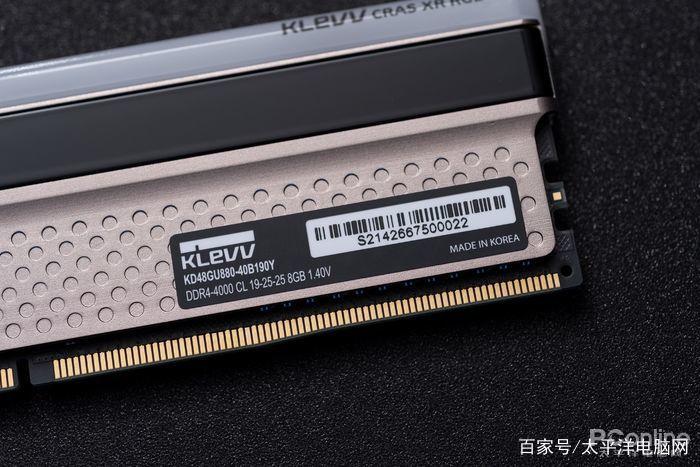
The memory stick also has a small label printed with the model of the memory stick, the frequency of DDR4-4000, the operating voltage of 1.4V and the origin of Korea.
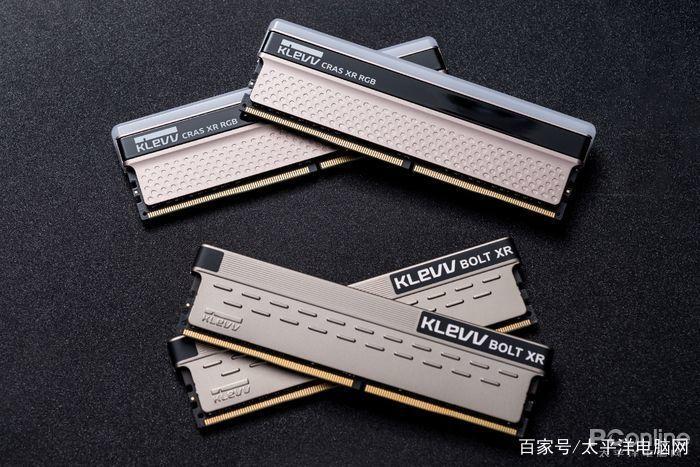
Compared with BOLT XR, the face value of CRAS XR RGB is indeed better.
Next, let’s enjoy the brilliant annular RGB lighting effect, but it would be better if the lighting effect could be softer.
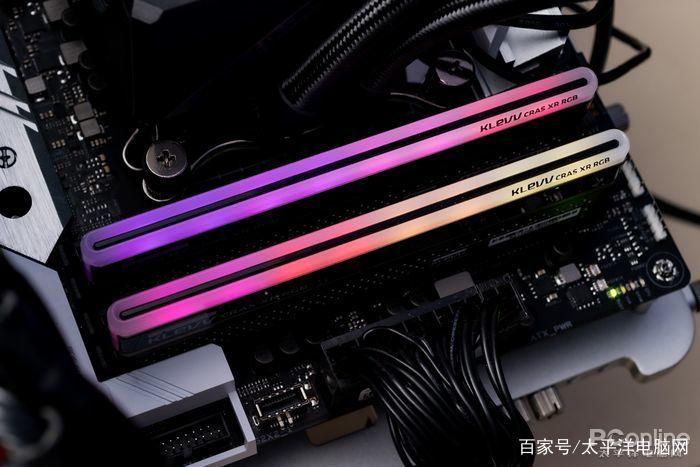
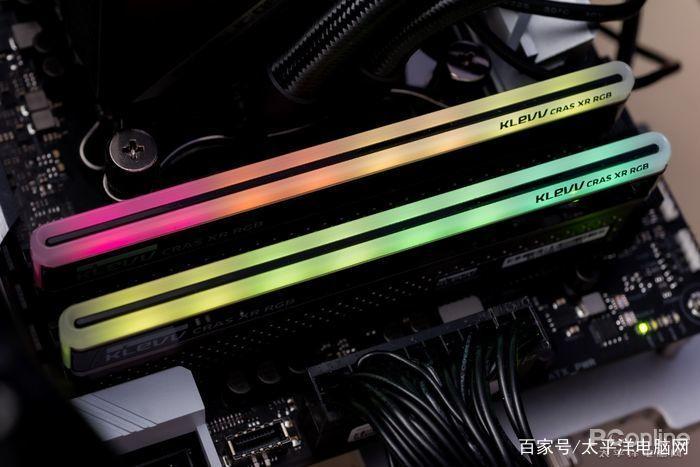
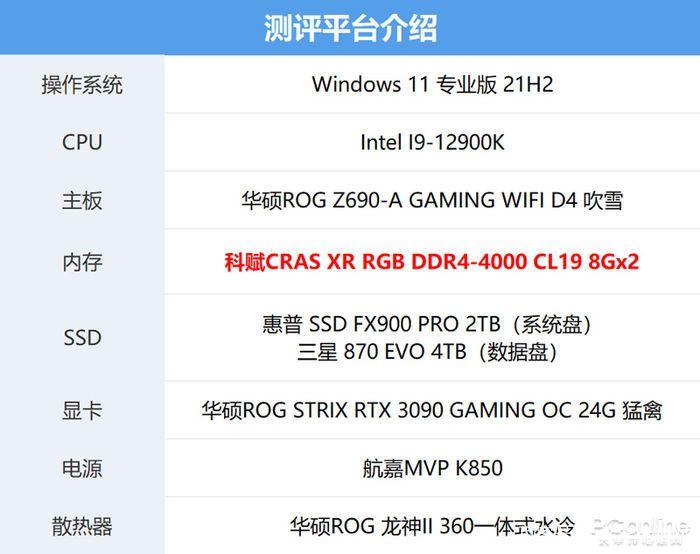
Previously, the performance of DDR5 memory was tested on the 12th generation Core, because there was no Z690 with DDR4 slot in the evaluation room.mainboardSo we just recently received the ASUS ROG Z690-A GAMING WIFI D4 snow blowing motherboard, so this time we will use the 12th generation Core platform to test the performance of this memory.
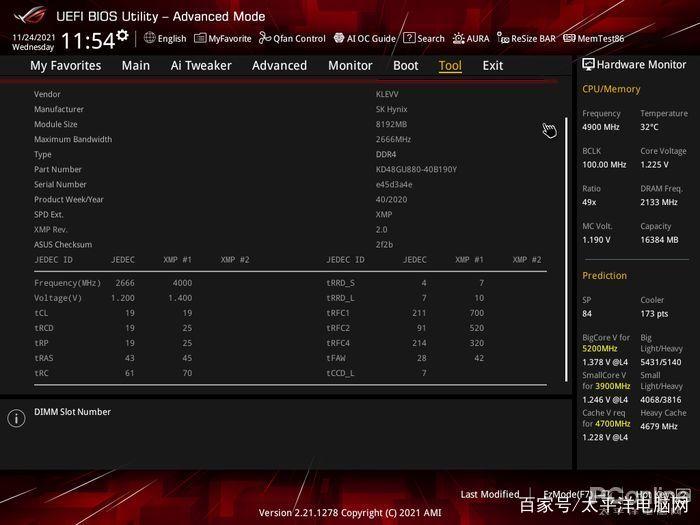
Through the memory SPD reading tool in ASUS BIOS, we can read the relevant information of the memory. We can see that the read memory granule manufacturer is from Hynix, which supports XMP2.0. The basic frequency of JEDEC is DDR4-2666, and it has an XMP gear with the frequency DDR4-4000 CL19.
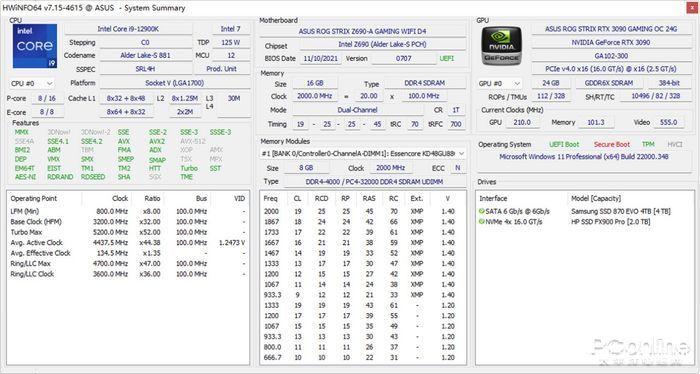
Judging from the information read in HWiNFO64, DDR4-4000 frequency has been successfully identified, and the time sequence is CL19, and two channels have been formed.
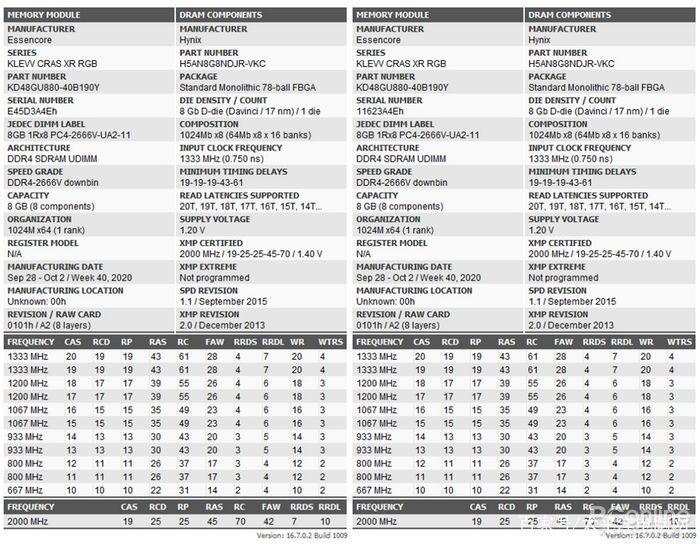
In the typhoon software, we can see that the CRAS XR RGB memory particles in our hands are from Hynix, and from Part Number, we can see that the memory uses DJR particles.
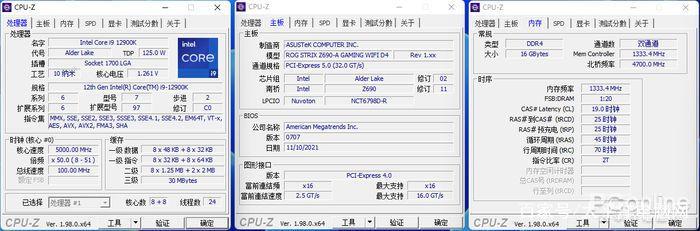
First of all, let’s test the performance at JEDEC standard frequency, which is DDR4-2666 frequency. this momentCPUMemory frequency division is set to 1:1, and memory frequency division is not enabled.
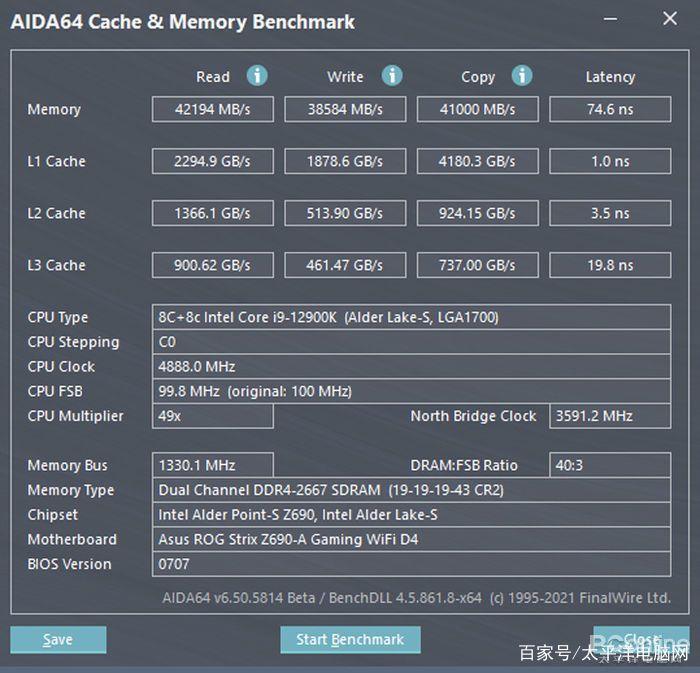
Using the cache and memory benchmark in AIDA64 to test the memory efficiency, we can see that the Craxr RGB memory has a memory reading speed of 42,194 MB/s, a memory writing speed of 38,584 MB/s, a memory copying speed of 41,000 MB/s and a memory delay speed of 74.6ns at the JEDEC reference frequency.
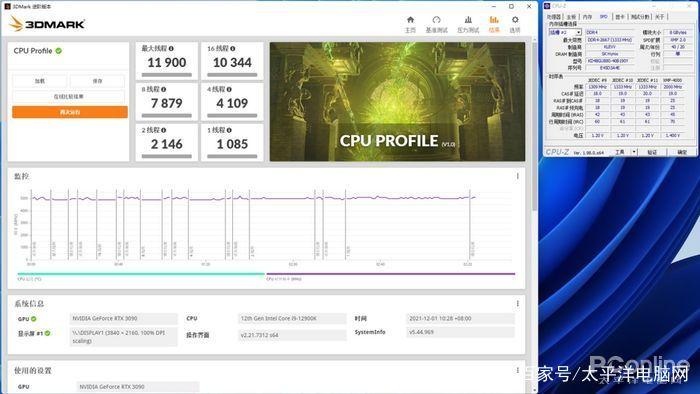
Next, we use 3DMARK’s CPU PROFILE test to see the benchmark performance of CPU. From the results, the memory frequency has little effect on the running score of CPU PROFILE.
We also ran two benchmark of high frame rate racing games at DDR4-2666 frequency, F1:2020 and Extreme Racing: Horizon 4 (don’t ask why it’s not Horizon 5, because the Microsoft server can’t connect).
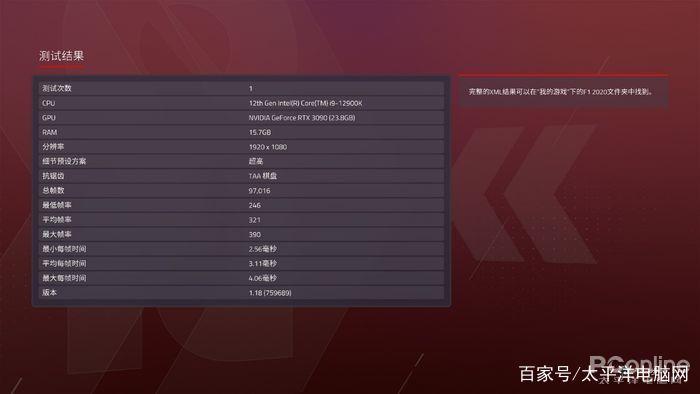
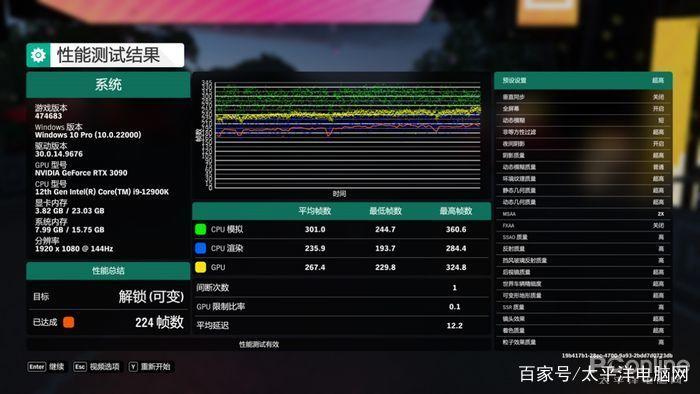
Under F1:2020, the average frame rate is 321, the lowest frame rate is 246 and the highest frame rate is 390. In Extreme Racing: Horizon 4, the average frame rate of CPU simulation is 301, the lowest frame rate is 244.7, and the highest frame rate is 360.6.
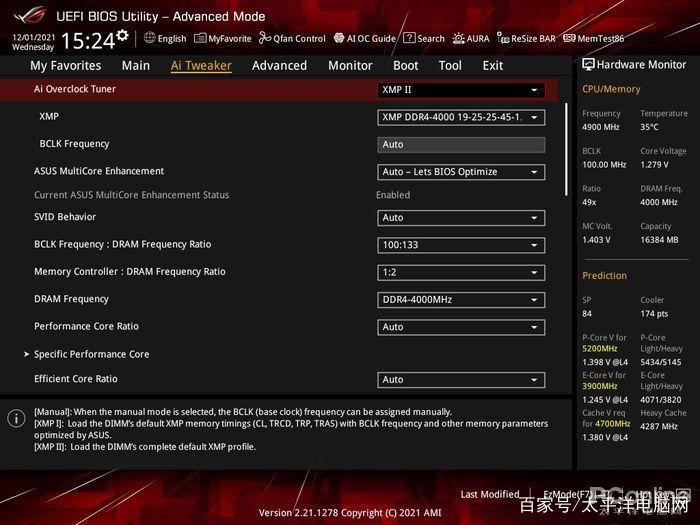
Next, enable XMP to configure overclocking. After the BIOS sets the frequency of XMP, BCLK and the frequency division ratio of the memory controller, you can start it safely.
Continue to use the cache and memory benchmark in AIDA64 to test the memory efficiency. We can see that Craxr RGB memory is provided. After XMP is enabled, the memory reading speed is 62055MB/s, the memory writing speed is 57805MB/s, the memory copying speed is 57465MB/s, and the memory delay speed is 78.3ns. The speed of memory reading and writing is increased by nearly 48%, and the speed of copying is increased by nearly 40%, at the cost of 4% delay.
In the benchmark of F1: 2020, the average frame rate is 341, the lowest frame rate is 265 and the highest frame rate is 423. Compared with the reference frequency frame number, it is 20 frames, 19 frames and 33 frames higher.
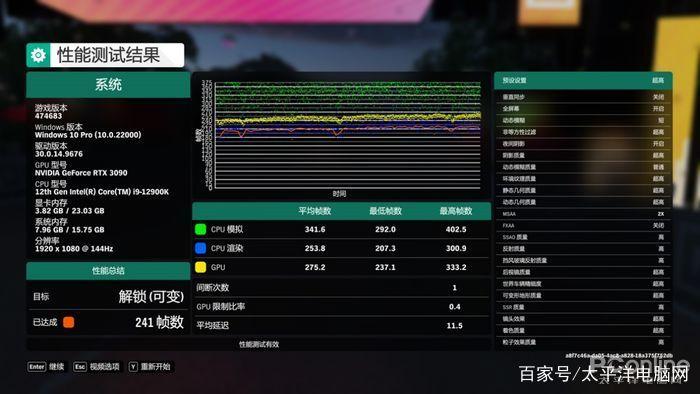
In "Extreme Racing: Horizon 4", the average frame rate of CPU simulation is 341.6, the lowest frame rate is 292, and the highest frame rate is 402.5, and the number of frames is also greatly increased.
For DJR granular memory with excellent overclocking potential, it is naturally not easy to end the test like this.
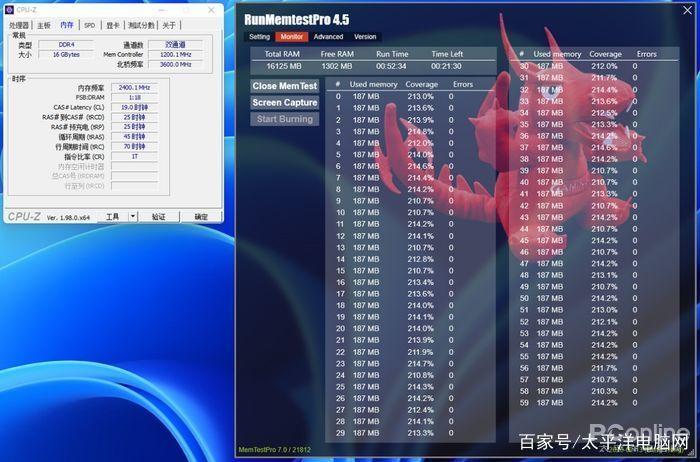
After adjusting the parameters, the overclocking of CRAS XR RGB memory was finally stabilized at DDR4-4800, and the time sequence was CL19 25-25-45-70, which passed the test of RunMemtestPro memory load software.
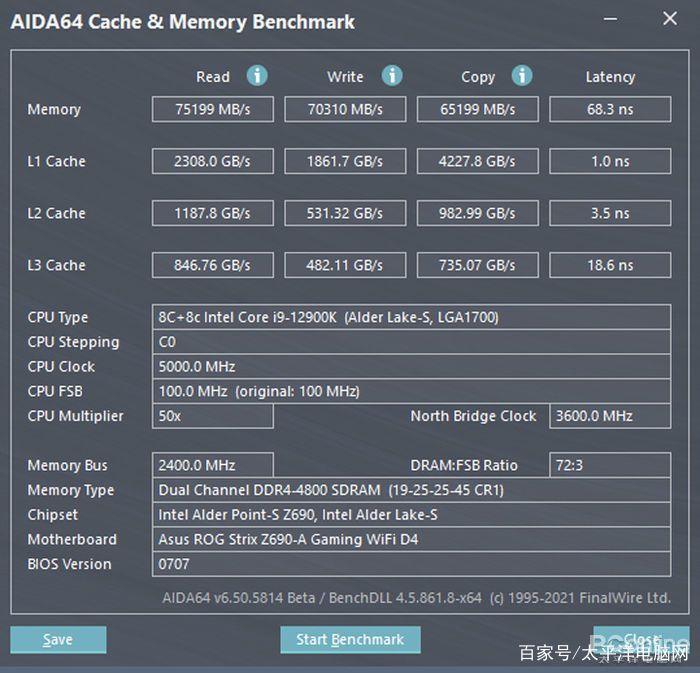
Now that we have passed the test, we will test the performance by AIDA64 software. We can see that Craxr RGB memory is overclocked to DDR4-4800, and the memory reading speed is 75,199 MB/s, the memory writing speed is 70,310 MB/s, the memory copying speed is 65,199 MB/s, and the memory delay speed is 68.3ns, which is more obvious than DDR4-4000. The memory reading speed is increased by nearly 22%, the writing speed is increased by nearly 22%, the copying speed is increased by nearly 13%, and the delay is reduced by 10ns. Here, we can see the strong overclocking potential of DJR particles, which brings excellent memory performance.
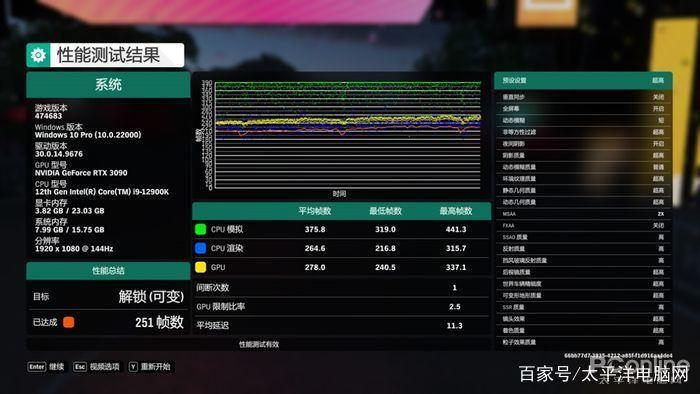
In "Extreme Racing: Horizon 4", the average frame rate simulated by CPU is 375.8, the lowest frame rate is 319, and the highest frame rate is 441.3. The number of frames is higher than that after opening XMP. Thanks to the powerful memory performance, especially the improvement of the minimum frame rate, the game’s image quality fluctuation can be reduced greatly, and the experience is more stable.
Kefu CRAS XR RGB memory uses Hynix DJR particles, plus DDR4-4000 high frequency, which brings excellent memory performance and can bring a higher level of performance to the overall performance and game experience of the computer. At the same time, the starting voltage of particle 1.4V and good overclocking potential lay a solid foundation for it to surpass DDR4-4800. With the strong memory performance, the frame number is more stable when experiencing high frame rate games.
Secondly, its metal heat dissipation vest can bring efficient and stable heat dissipation performance. The existence of corner-free annular RGB light guide bars adds icing on the cake to the face value of Kefu CRAS XR RGB memory. It also has good compatibility and supports a variety of mainstream lighting effects. It is a high-performance e-sports memory chip that gamers deserve to choose.