"The Long Season" is better than narrative skills and actors’ performances. The first six episodes test the audience’s patience.
Author: Hu Jianli
In recent years, the audience has seen too many domestic dramas. Unexpectedly, they saw The Long Season, a work that was deified by the last two episodes. At one time, all kinds of praise swept the network, attracting more viewers to catch up with this masterpiece.
In fact, as a suspense drama, the drama is mainly superior to the director’s superb narrative skills and lens language, as well as the wonderful performances starring Fan Wei, Qin Hao and Chen Minghao. The rhythm of the plot is still flawed, especially the first six episodes test the audience’s patience.
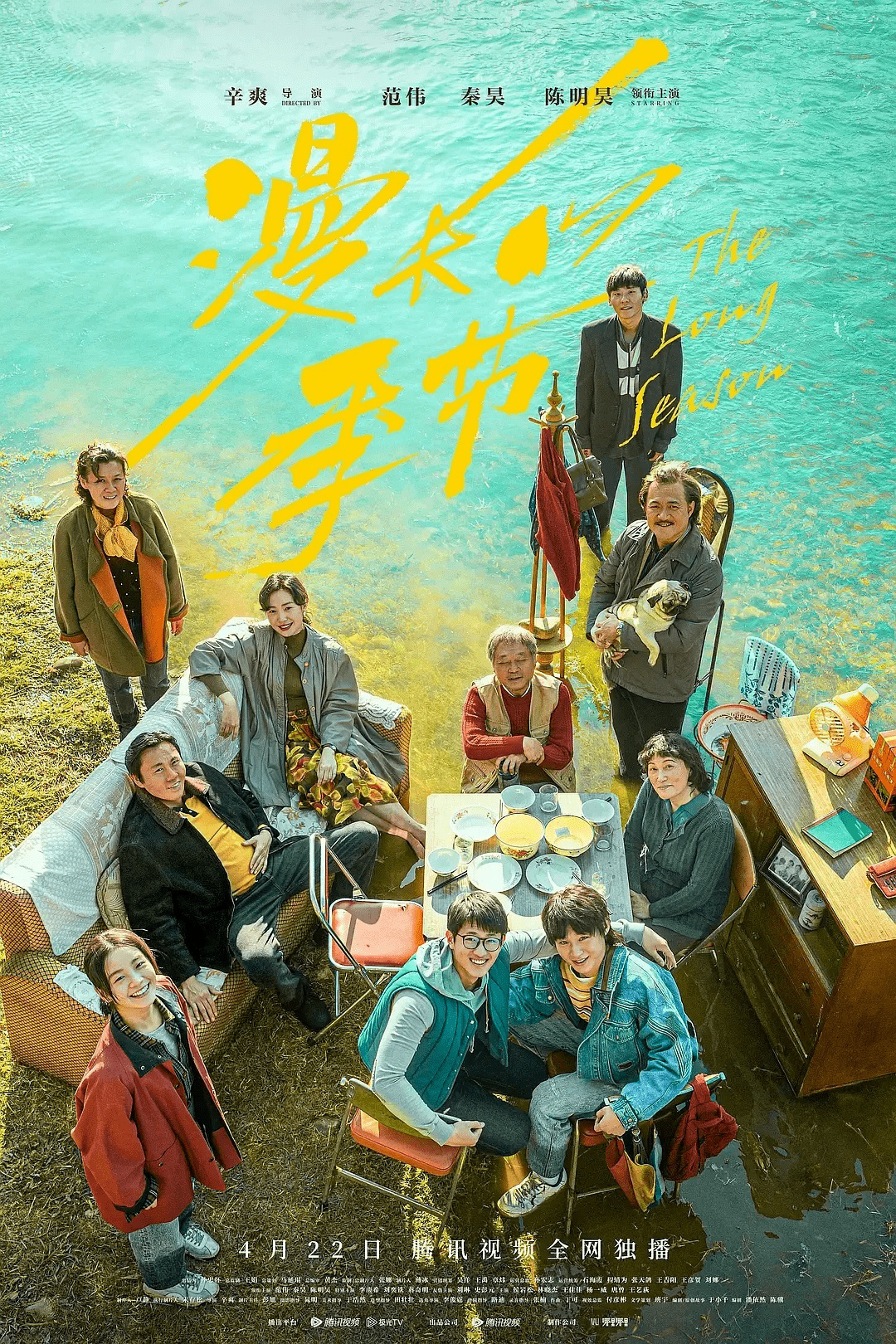
The Long Season tells the story that Wang Xiang (played by Fan Wei) and his brother-in-law Gong Biao (played by Qin Hao), a taxi driver in the northeast town, teamed up with Ma Desheng (played by Chen Minghao), a former captain of the criminal police team, to track down a deck taxi, which involved a case of dismemberment in Hualin Iron and Steel Plant 18 years ago.
The story of the whole drama takes place in three timelines: 1997, 1998 and 2016.Director Xin Shuang boldly uses narrative methods such as sequence, flashback and interpolation to cut a story that is not complicated into pieces, and according to the creator’s narrative skills and lens language, it disrupts the seamless connection between time and space.It’s like a jigsaw puzzlePresented to the audience piece by piece, in order to create suspense about the story and the fate of the characters.
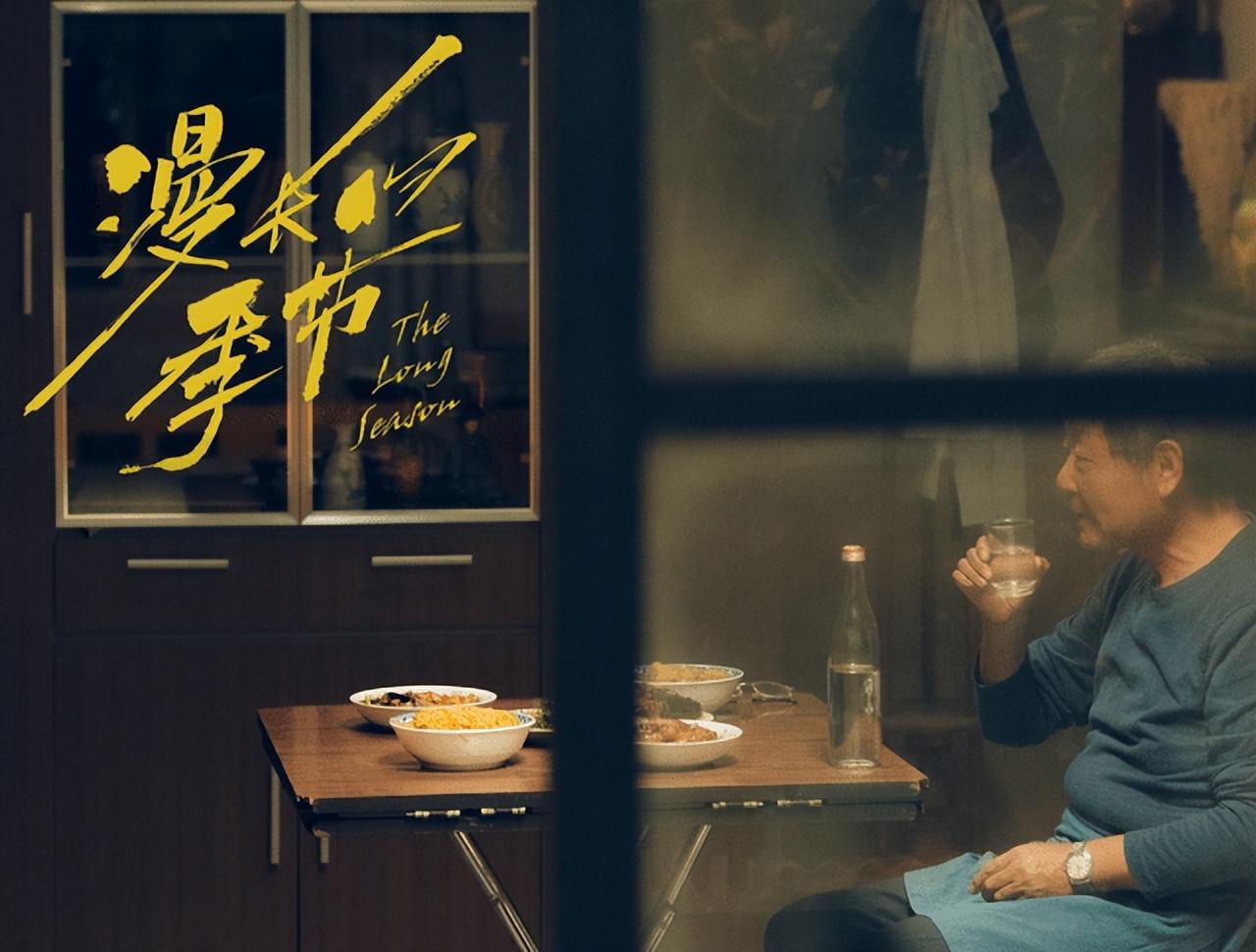
In the previous domestic dramas, there was not a precedent of multi-line narration in staggered time and space. This year’s Spring Festival fire in The Knockout, the story is also divided into three timelines: 2000, 2006 and 2021, but the narrative of each timeline is complete. When switching timelines, there will be subtitles on the screen.
There are two timelines in 1997 and 2010 in the popular suspense crime drama "Thirteen Years of Dust" in April this year, which are also cross-narrative, but the narrative of each timeline is also very complete, and there will be subtitles to remind the audience of the timeline switching.
"The Long Season" uses the cross narrative of three timelines to the extreme of domestic dramas, and there is no subtitle prompt when switching time and space. This narrative method is somewhat random and messy at first glance, but it is actuallyThe director carefully designs and arranges the sequence according to the inherent logical relationship between the story and the characters or some mood and artistic conception he wants to convey to the audience, and the change of props setting, the use of lens language and the skills of transition all serve it.
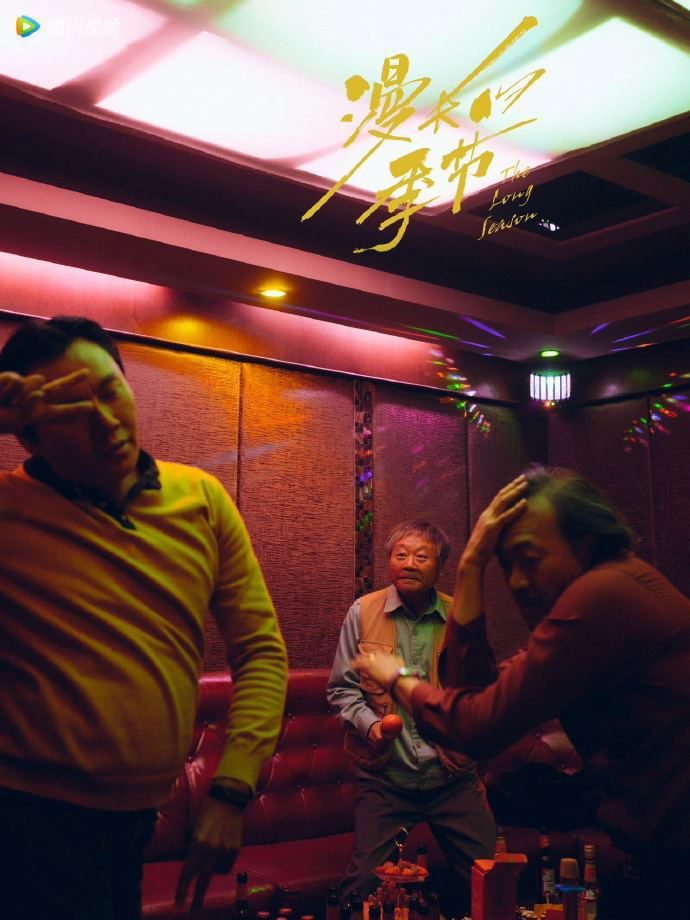
"The Long Season" has only 12 episodes. In the last two episodes, with the ingenious completion of the last few puzzles, the plot progress on the three timelines is integrated, and the suspense of the whole story and the fate of the characters is uncovered, which gives the audience a kind of sudden realization and hearty after finally completing the puzzle and knowing the truth.
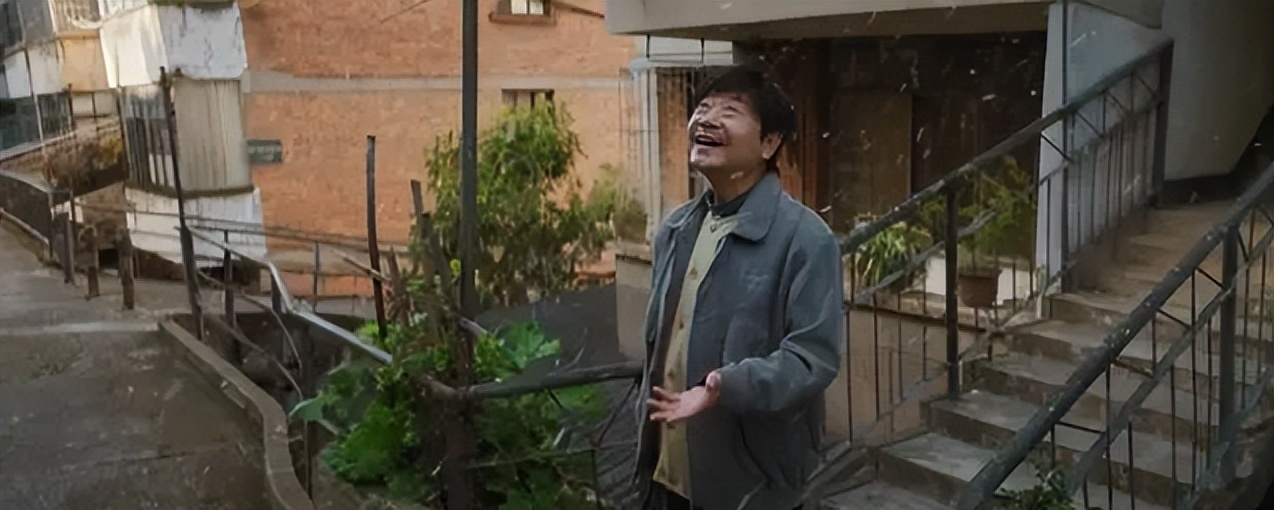
In the finale of the whole drama, the director ended the long autumn in the drama with a snowflake all over the sky, and let every main character in the drama, such as Wang Xiang, Gong Biao, Ma Desheng, Wang Yang and Silent, flash back to the unforgettable moment in the long river of years. Such brilliant lens language has made many audiences immersed in it and have endless memories.
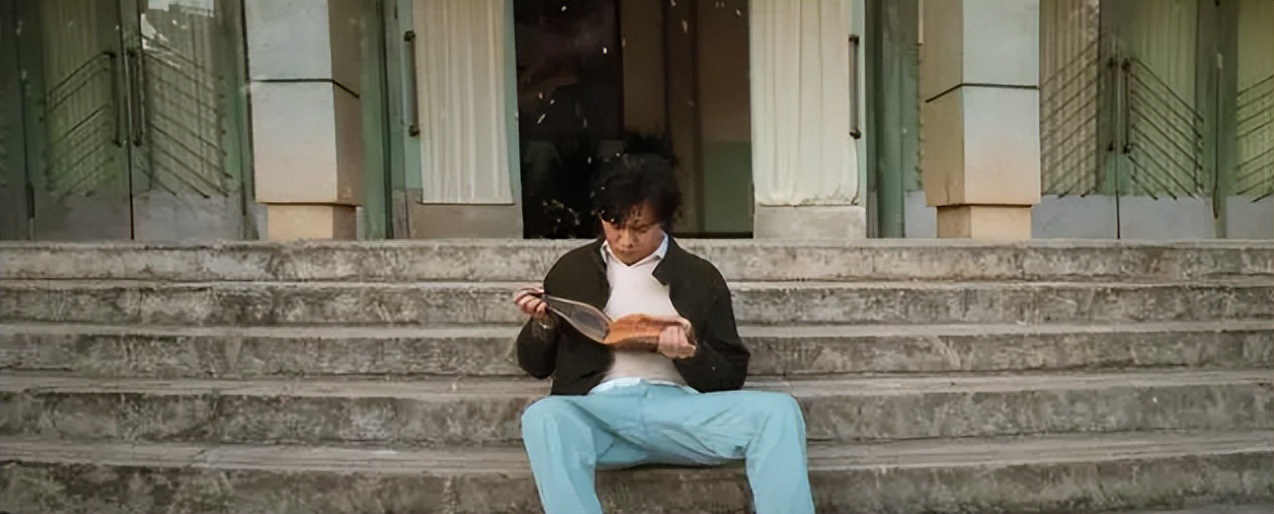
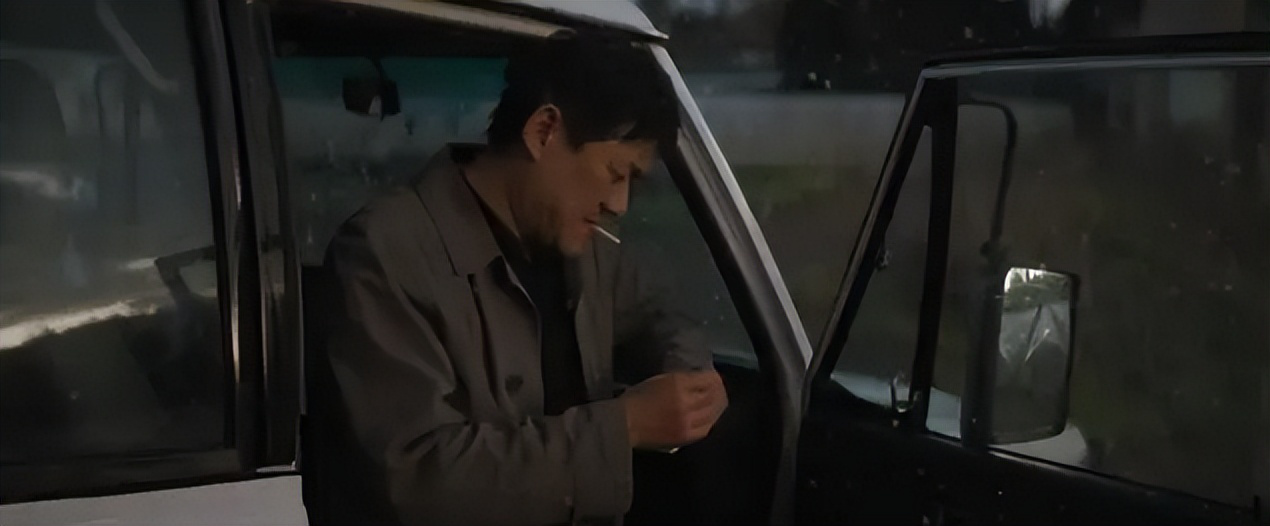
Finally, Wang Xiang, an old man, chased the train and shouted "Go forward, don’t look back" to Wang Xiang, a young train driver. As the song "Looking Back" sounded, people felt sad as if they had passed away.
"The Long Season" can be a great success, in addition to the director’s superb narrative skills and lens language, it can not be separated from the wonderful performances of Fan Wei, Qin Hao, Chen Minghao and other leading actors and all supporting actors. It can be called a work in which all actors perform online.
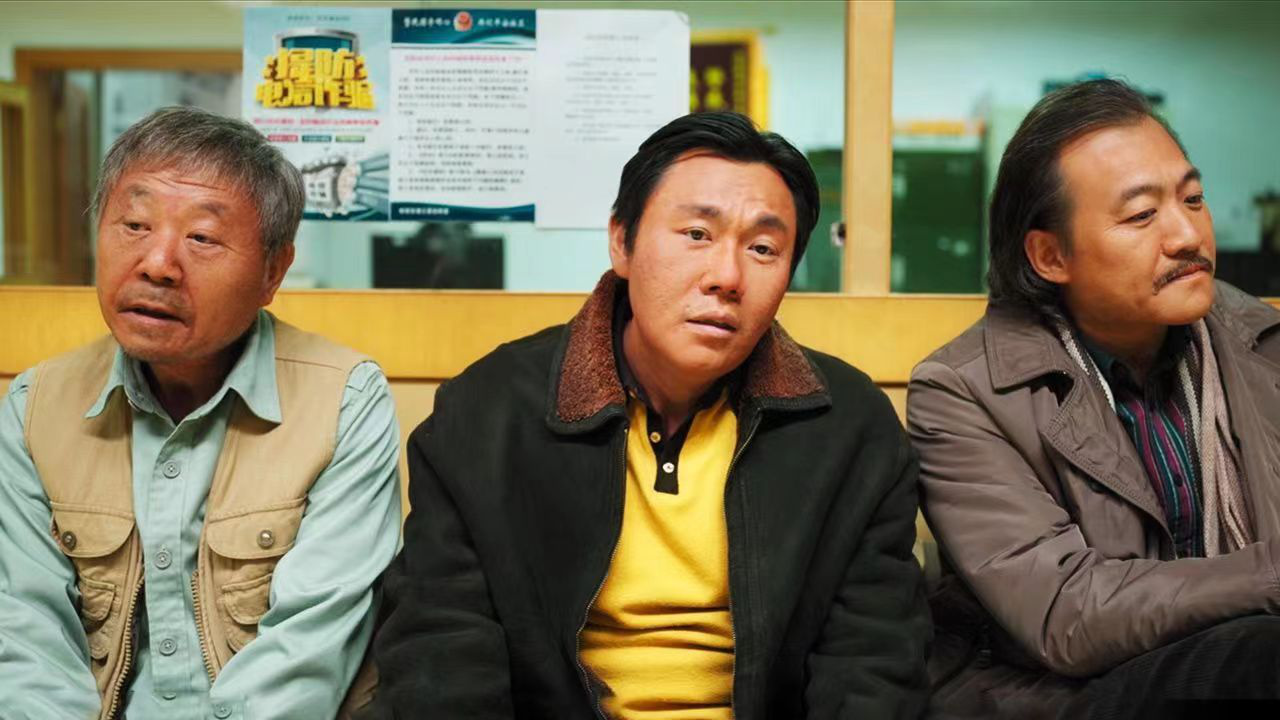
Fan Wei, as Wang Xiang, vividly interprets this role’s pride and sense of responsibility as a train driver and a model worker in Hua Gang when he was young, and his anxiety when he was worried about being laid off, and vividly interprets Wang Xiang’s persistence and wit in tracing the truth of his beloved son’s death when he is over middle age.
Qin Hao’s middle-aged Gong Biao, with a big belly and rosacea, speaks authentic and joyful Northeastern dialect, and is a typical middle-aged greasy man. He is lazy and arrogant, and has no eye for people. He is completely integrated into the role, so that the audience can hardly recognize his original appearance.
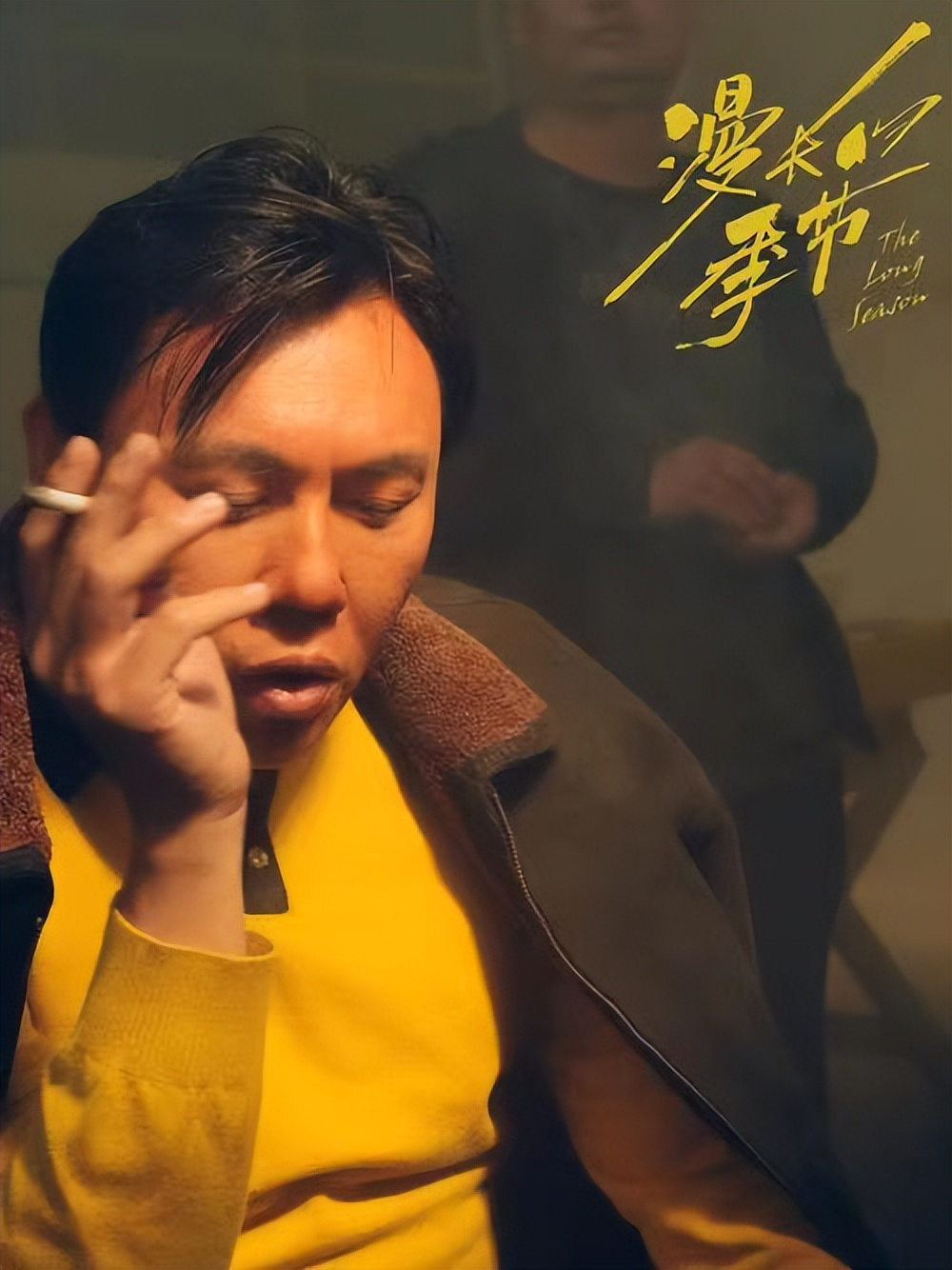
As a college student in the 1990s, Gong Biao was boastful and timid when he was young, but after learning that his favorite woman, Liru, was having an affair with the factory director, he rarely showed his masculine side. Although he paid the price of being laid off, he always treated all the problems in life optimistically.
When he had to agree to divorce Liru, his performance was generous and kind, which completely reversed the negative impression of the audience on him.
Ma Desheng, the captain of Interpol, played by Chen Minghao, is an honest and kind person. When he learned that Shen Dongliang’s sexual assault and taking nude photos threatened his niece’s silence, he couldn’t help beating this devil wears prada. The scene was very Japanese.
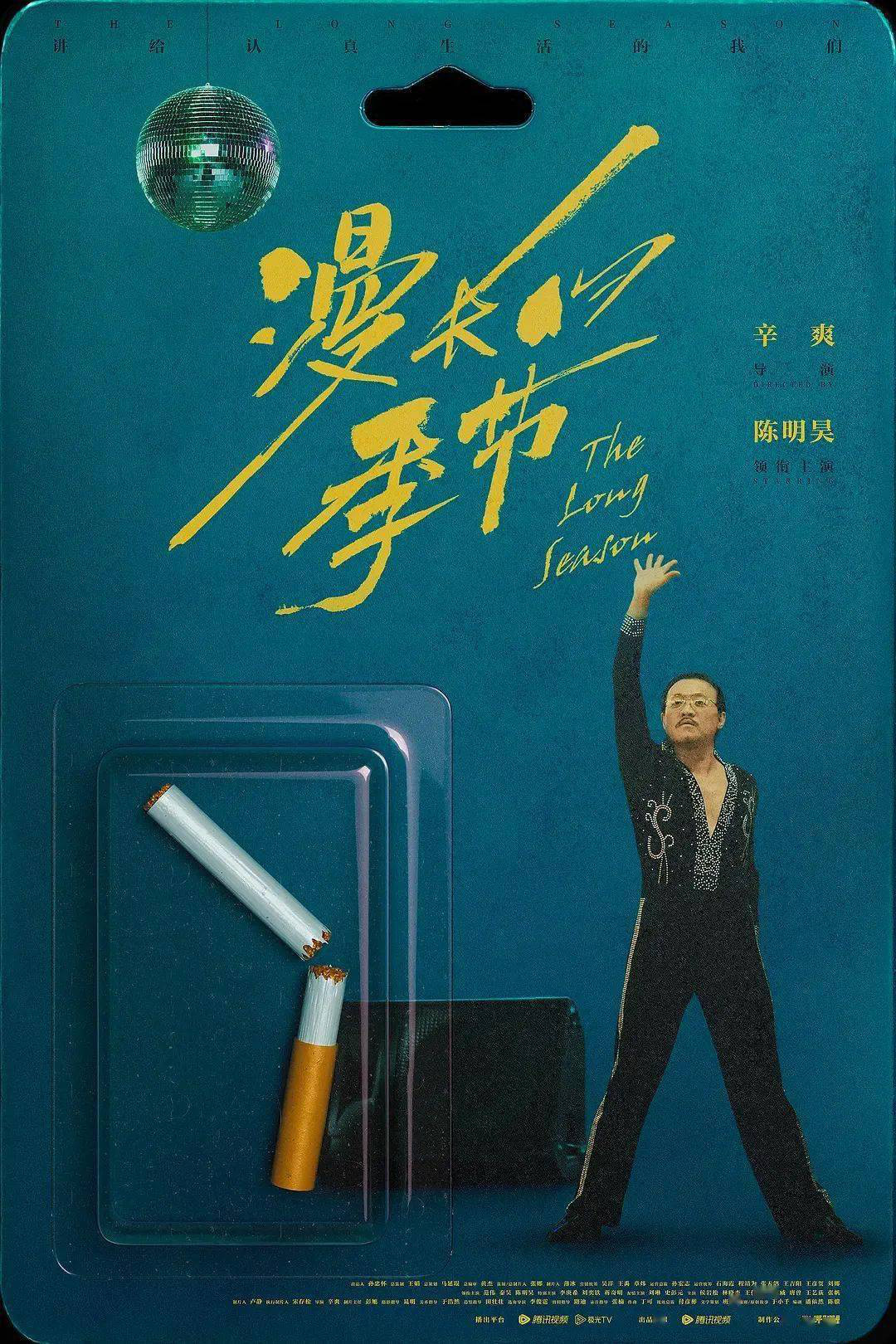
In the timeline of 2016, the middle-aged and elderly Ma Desheng danced Latin dance with great professionalism and devotion when he first appeared, which made the author suddenly fail to recognize that it was played by Chen Minghao, which was very different from his image and temperament when he was young. This shows that a good actor has a strong ability to shape the role.
Li Gengxi’s silence, Liu Yitie’s Wang Yang, Jiang Qiming’s Fu Weijun, Liu Lin’s Li Qiaoyun, and Lin Xiaojie’s Luo Meisu, Wang Yang’s mother, all left a deep impression on people.
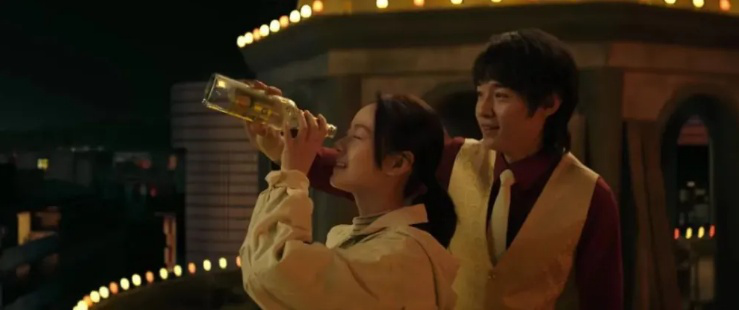
"The Long Season" has many advantages, such as the soundtrack that fits the plot very well, the refined service way and so on. Many articles have made in-depth analysis on this, so I won’t repeat it here. In a word, this is a rare masterpiece.
However, for the ordinary audience, the staggered narrative of time and space by using superb narrative skills is like a double-edged sword. While successfully creating suspense about the fate of stories and characters and conveying certain emotions and artistic conception to the audience, it also causes a slightly unbalanced narrative rhythm to a certain extent, especially the slow rhythm of the first six episodes, which tests the audience’s patience.
After watching The Long Season, the author enthusiastically recommended the play to a friend. I didn’t expect this friend to give up after watching one episode. His impression was that the plot was too slow and unattractive, and he didn’t explain the characters and the ins and outs of the story. Sometimes he was confused.
This friend is very busy at work, and it’s not his fault that he didn’t finish reading it.The Long Season is a good play, but it’s not cool.The process of paving the story in the first few episodes is really slow, and because of the cross-narrative, the director deliberately fails to explain the previous plots and characters clearly, and deliberately leaves blank. In many cases, it is up to the audience to make up for it.
The process of watching "The Long Season" is just like the director’s name: the first few episodes are hard to watch, and the later ones are more and more cool. After all the plots and characters are put together, the 11th and 12th episodes of the whole drama are ushered in.
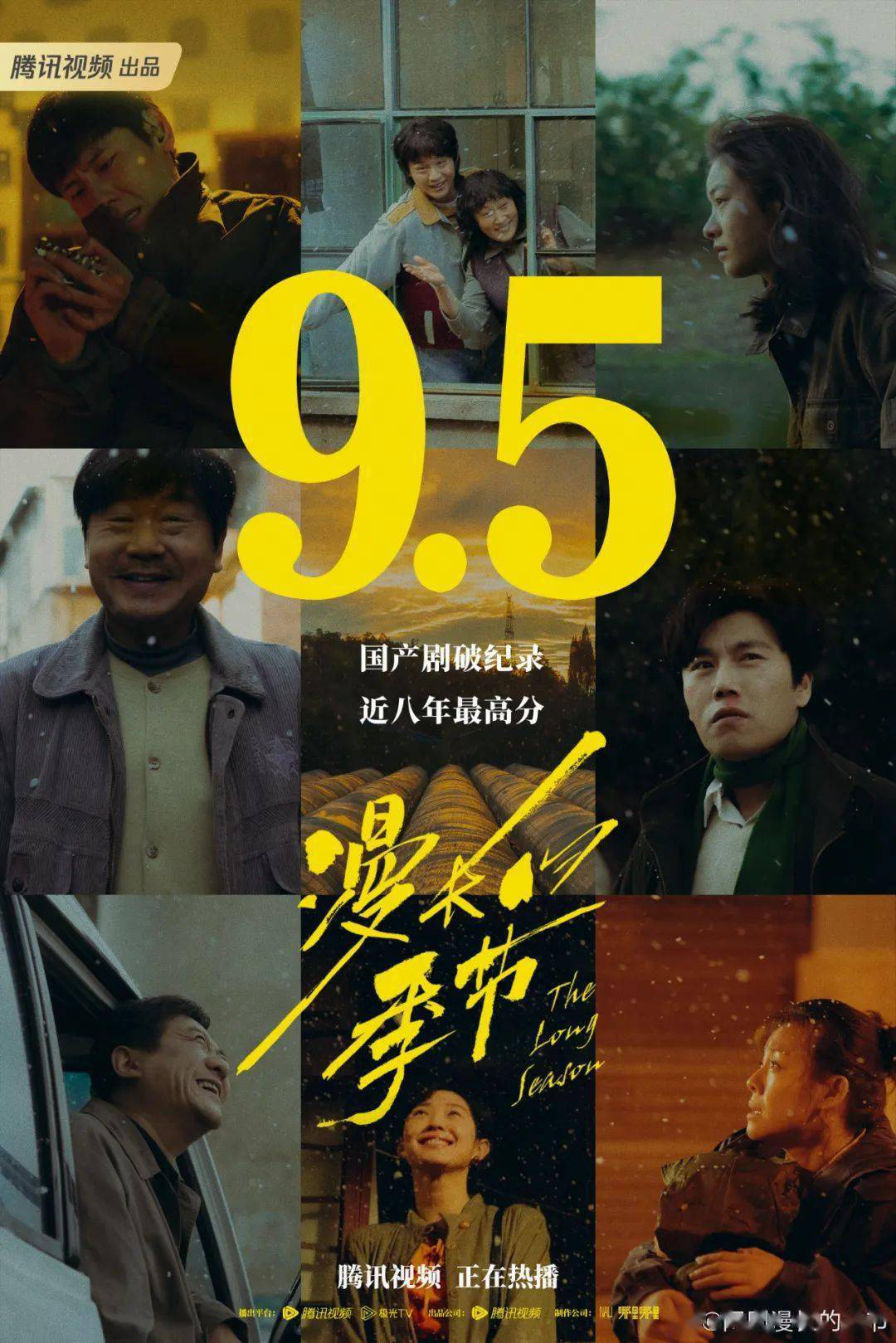
Therefore, the drama not only didn’t end badly, but was deified by the audience in the last two episodes. The Douban score soared to 9.5, and it is still as high as 9.4, which is expected to become the word-of-mouth ceiling of this year’s domestic drama.